


Hope’s Journey
An illustrated tribute to all the wonderful research that’s being undertaken at the Natural History Museum to bring Hope’s story to life.
Hope’s Journey…
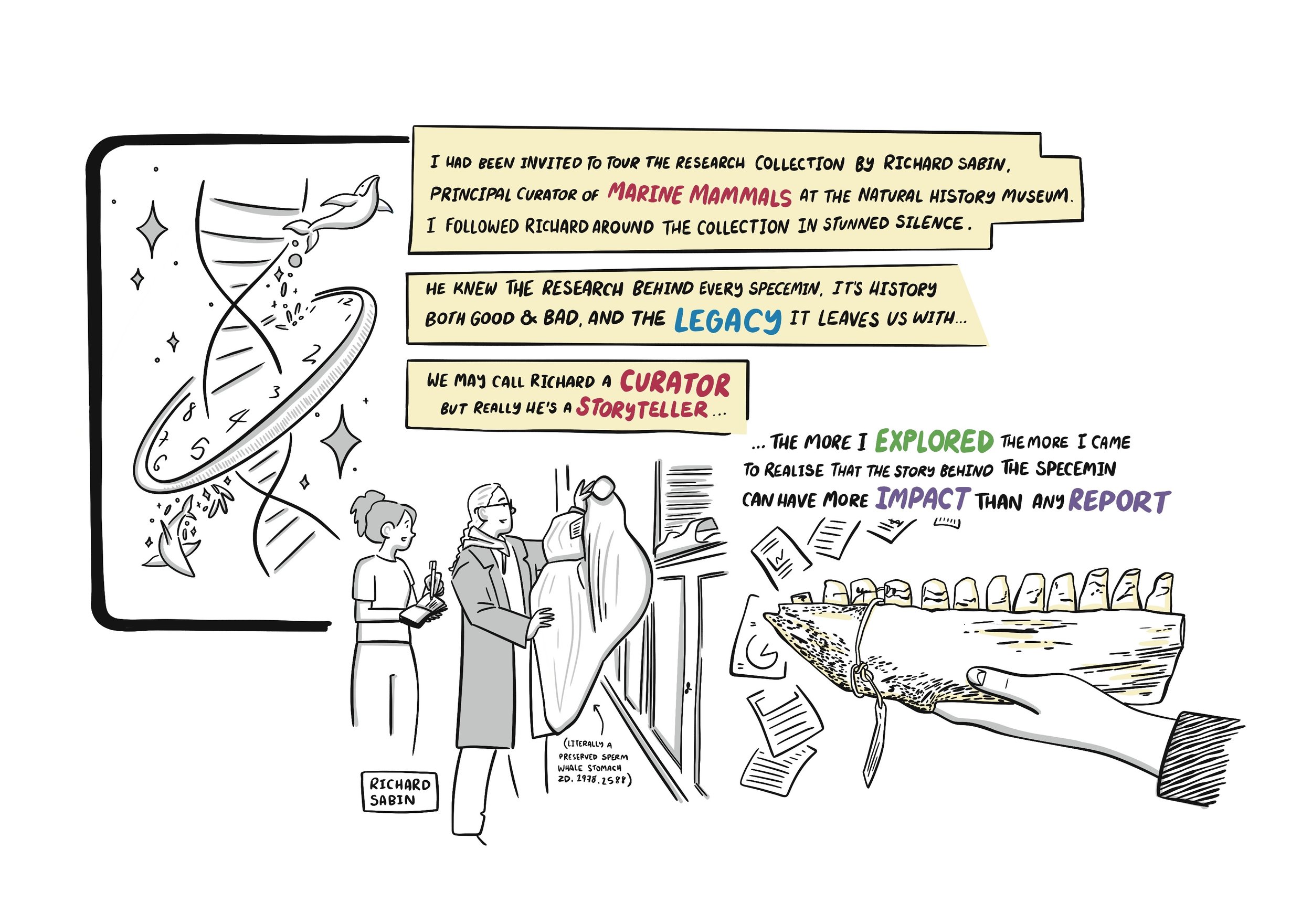
For the past two years I’ve been immersing myself in the incredible Cetacea collection at the Natural History Museum, guided by Principal Curator of Mammals, Richard Sabin.
I connected with Richard after I illustrated one of his talks live for the first Generation Hope programme at the museum. Generation Hope is all about empowering young activists to stand up for a more positive future, and connecting young people with the science and amazing work being done to protect our planet.
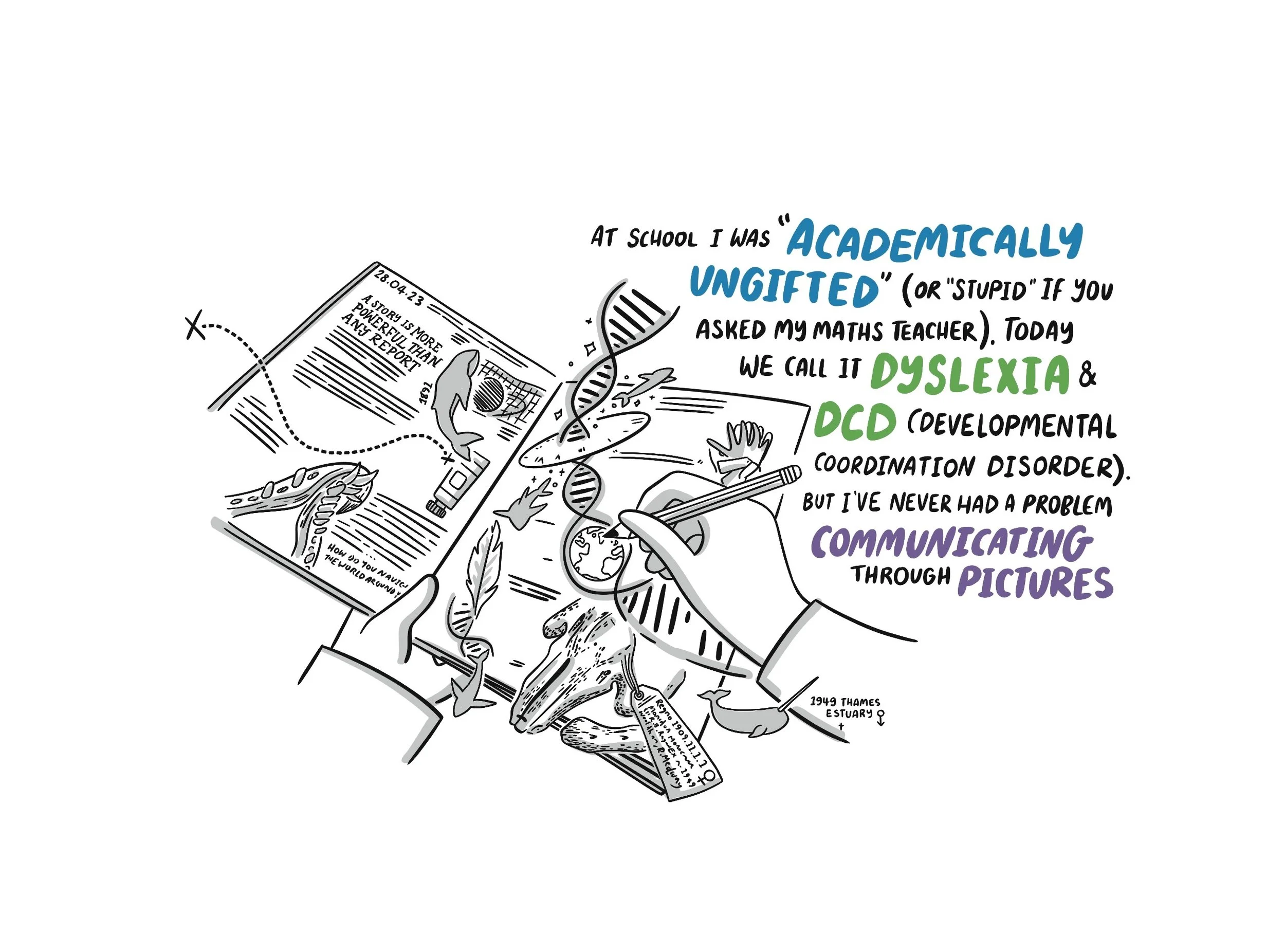
I find the research being undertaken by the people I illustrate fascinating. In particular myself and Richard connected over our shared interests in education - and the barriers we have both faced in our own professional careers coming from working class backgrounds.
I was invited to visit the research collections to see if it would spark any ideas…

An eye-opening experience…
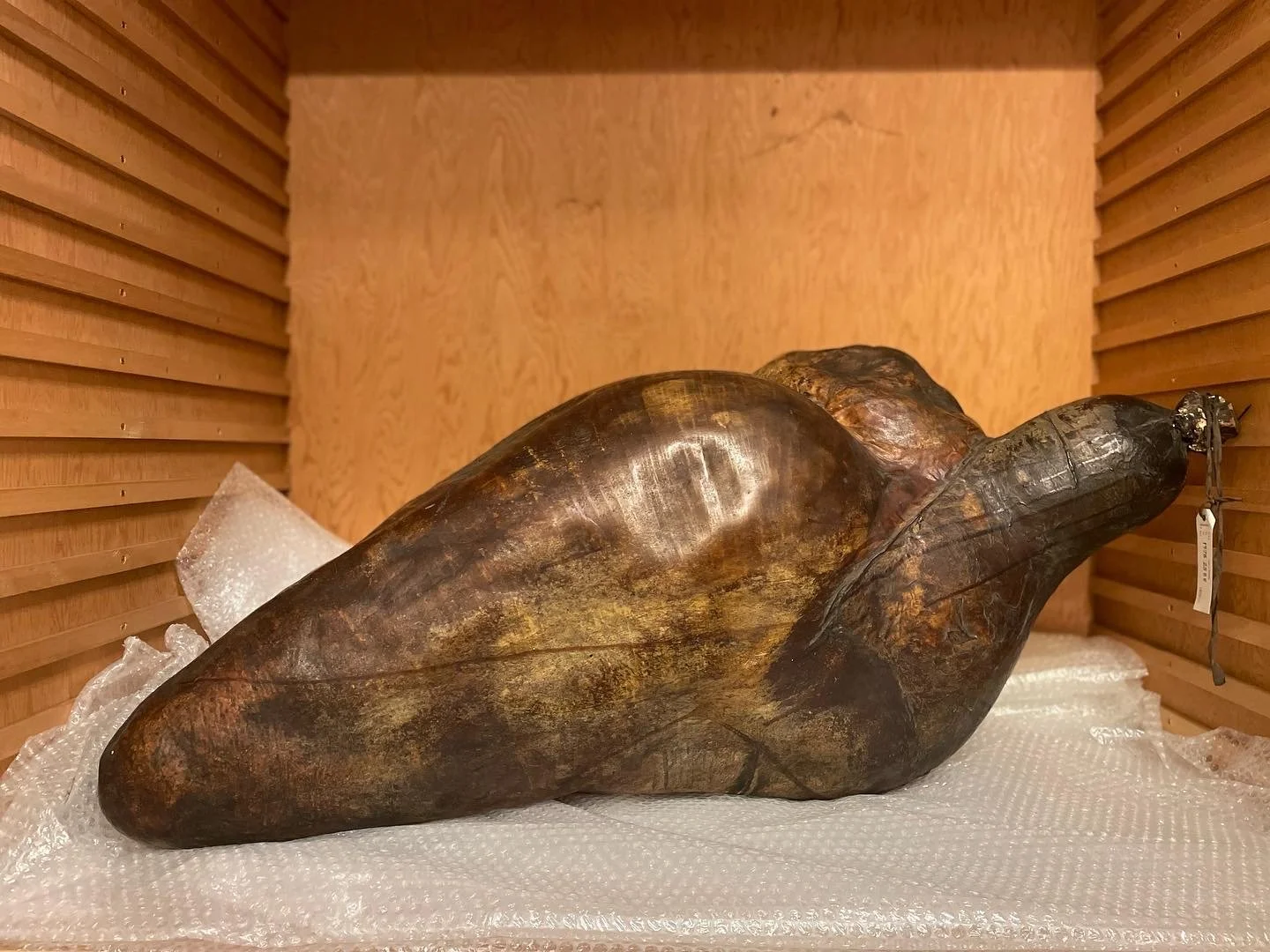
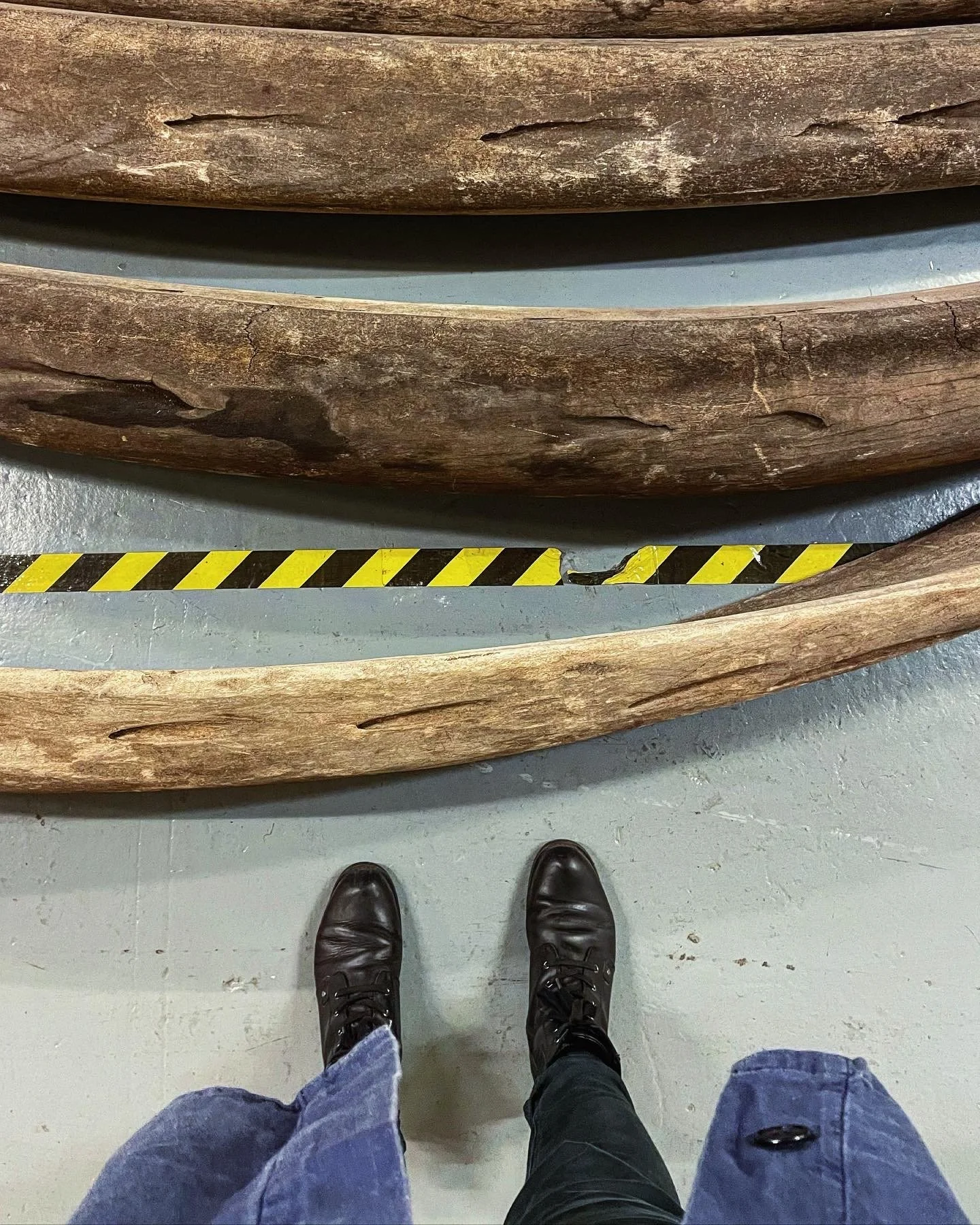
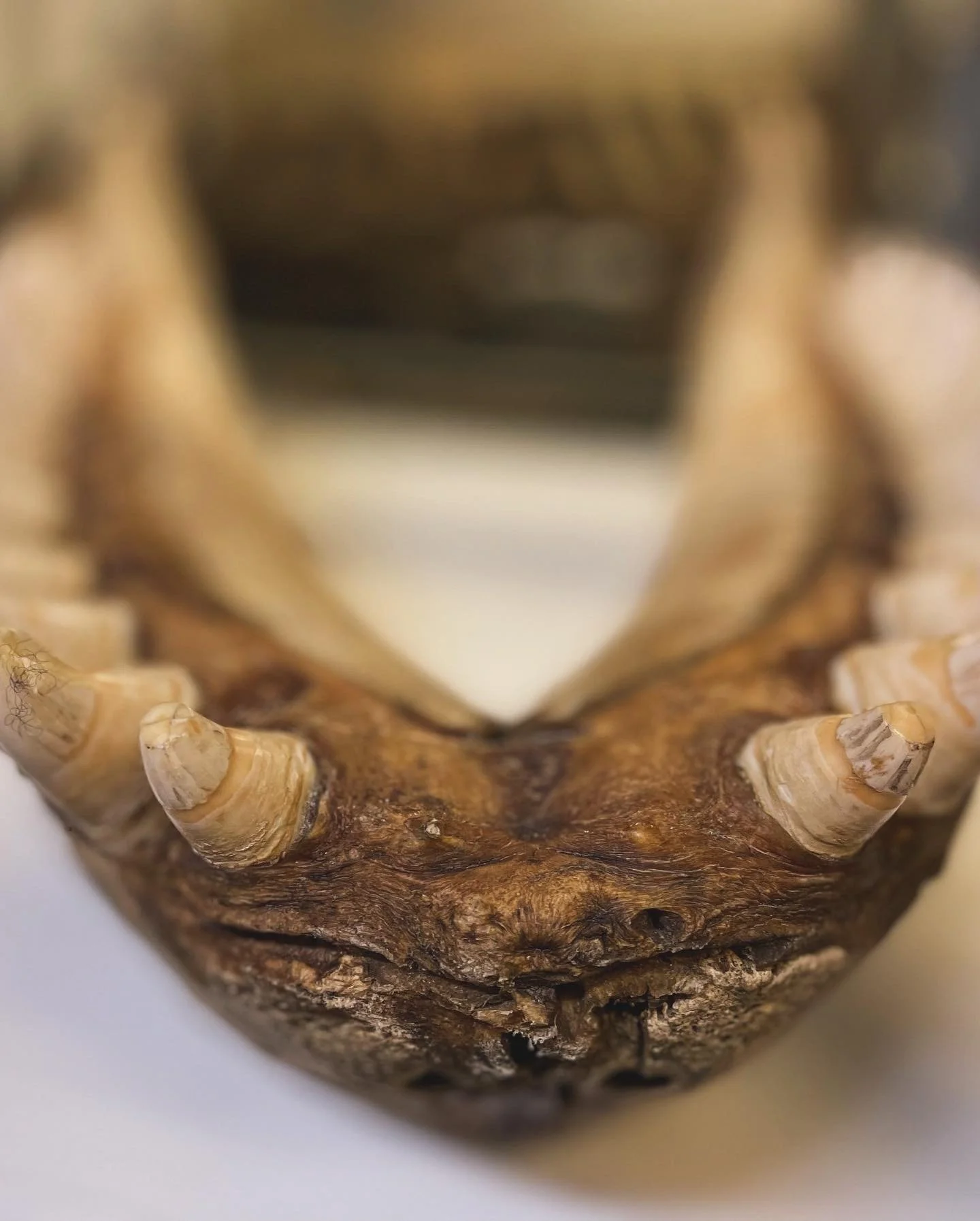
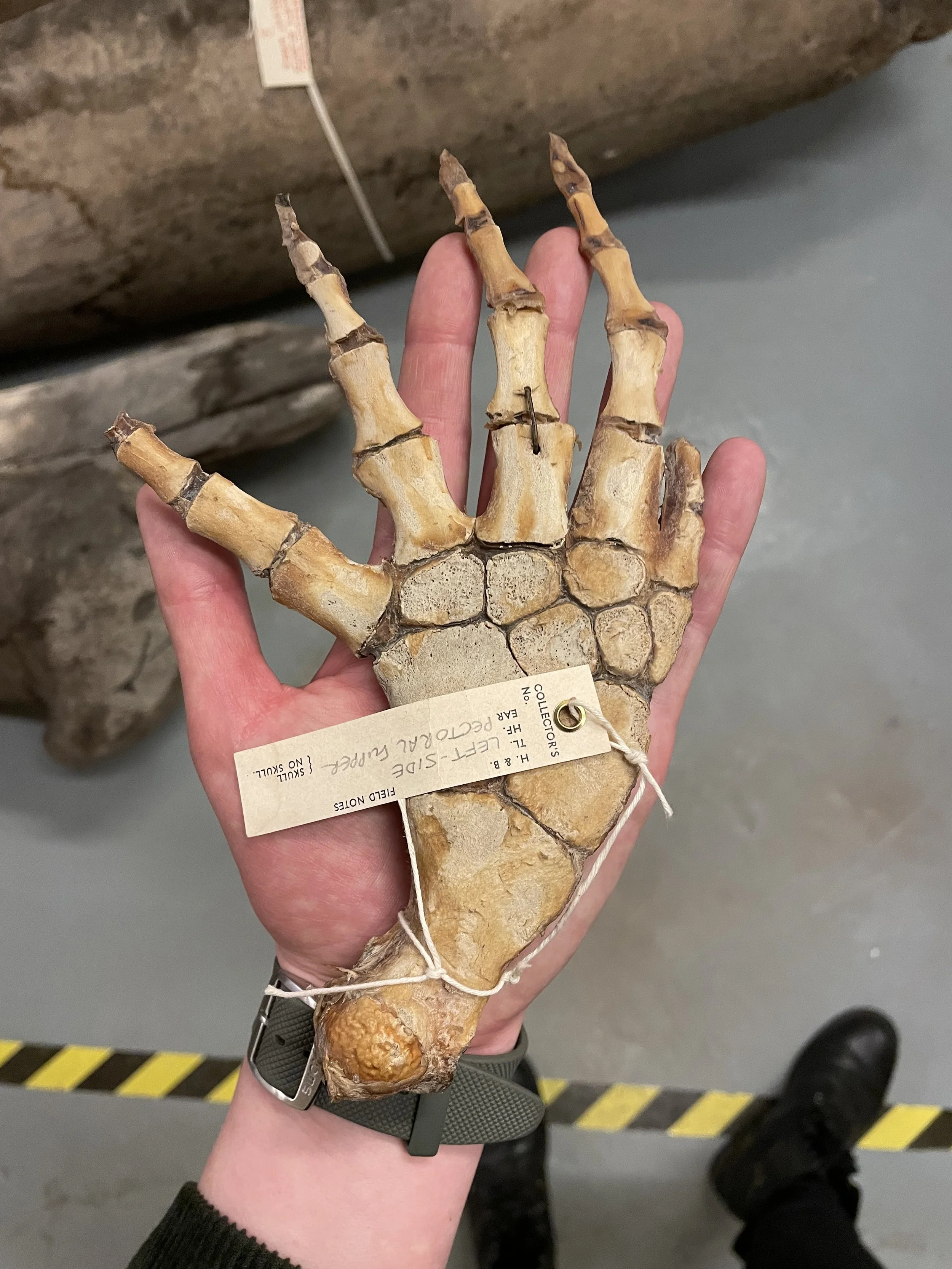
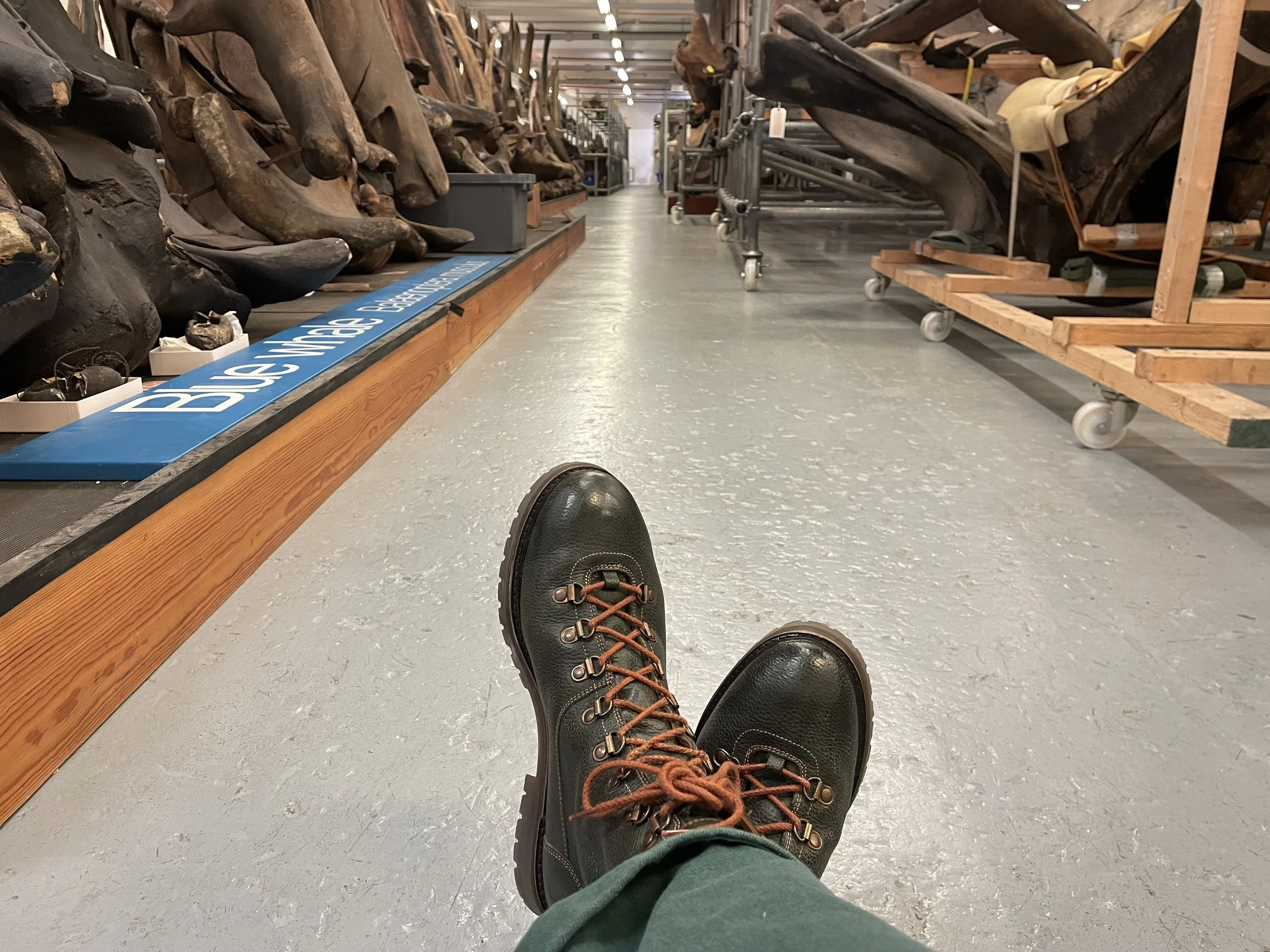
I met with Richard at the Natural History Museum’s research facility, for a tour of some of the specimens not out own display that are currently being studied by researchers around the world.
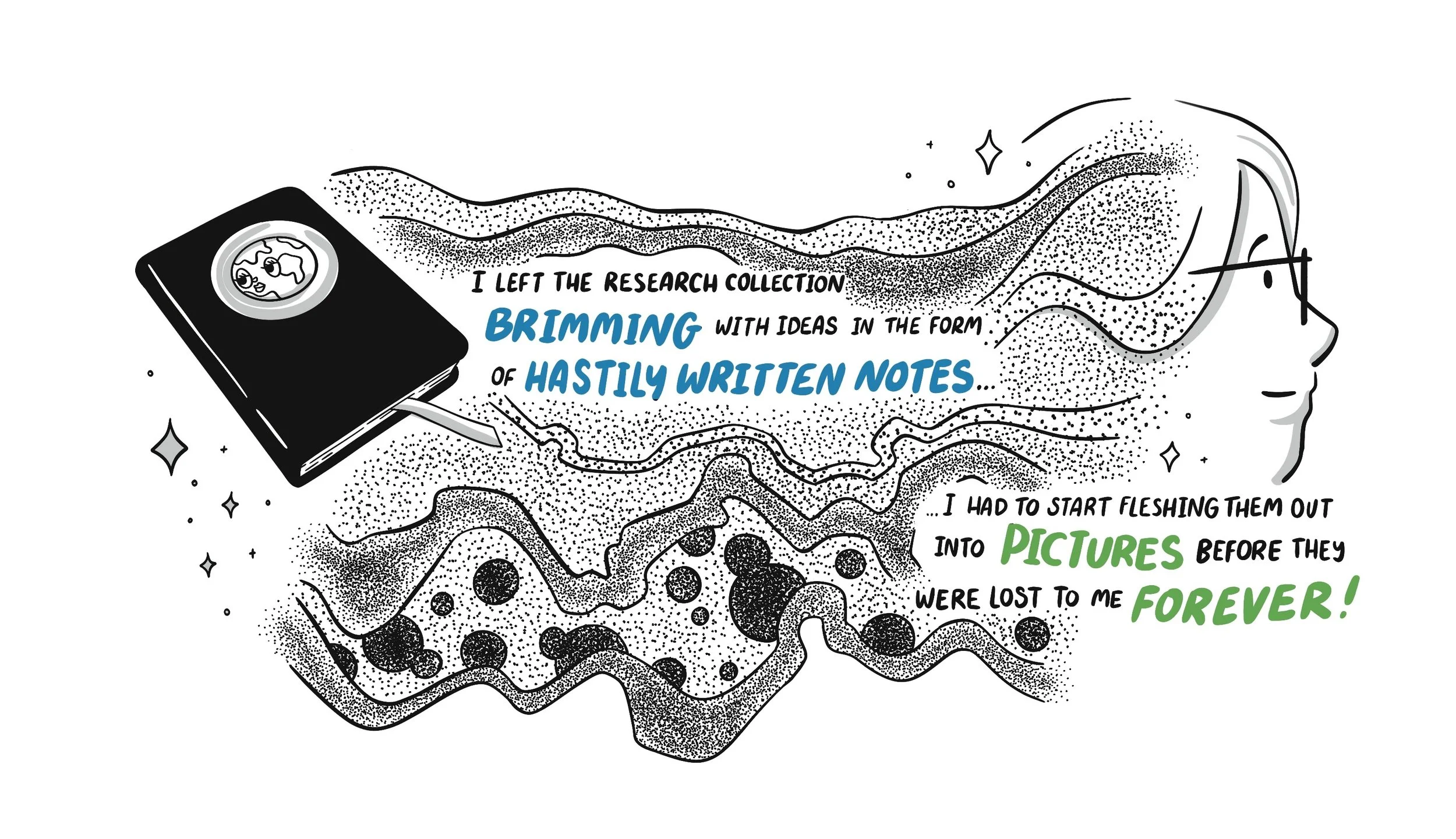
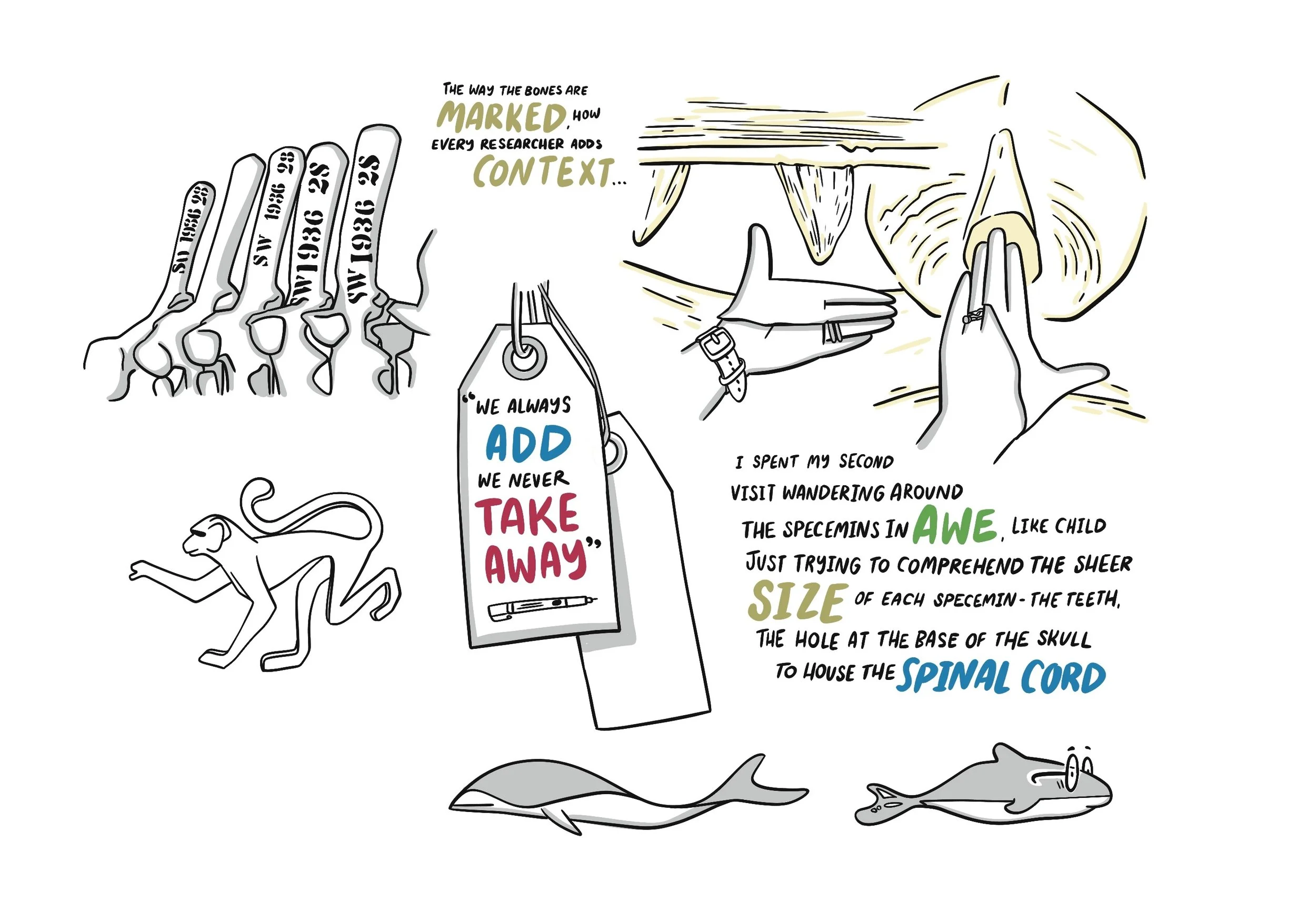
My first visit took my breath away, as Richard showed me around the collection I hurriedly scribbled notes in my small notebook. Every item had a story to tell and I wanted to soak it all up.
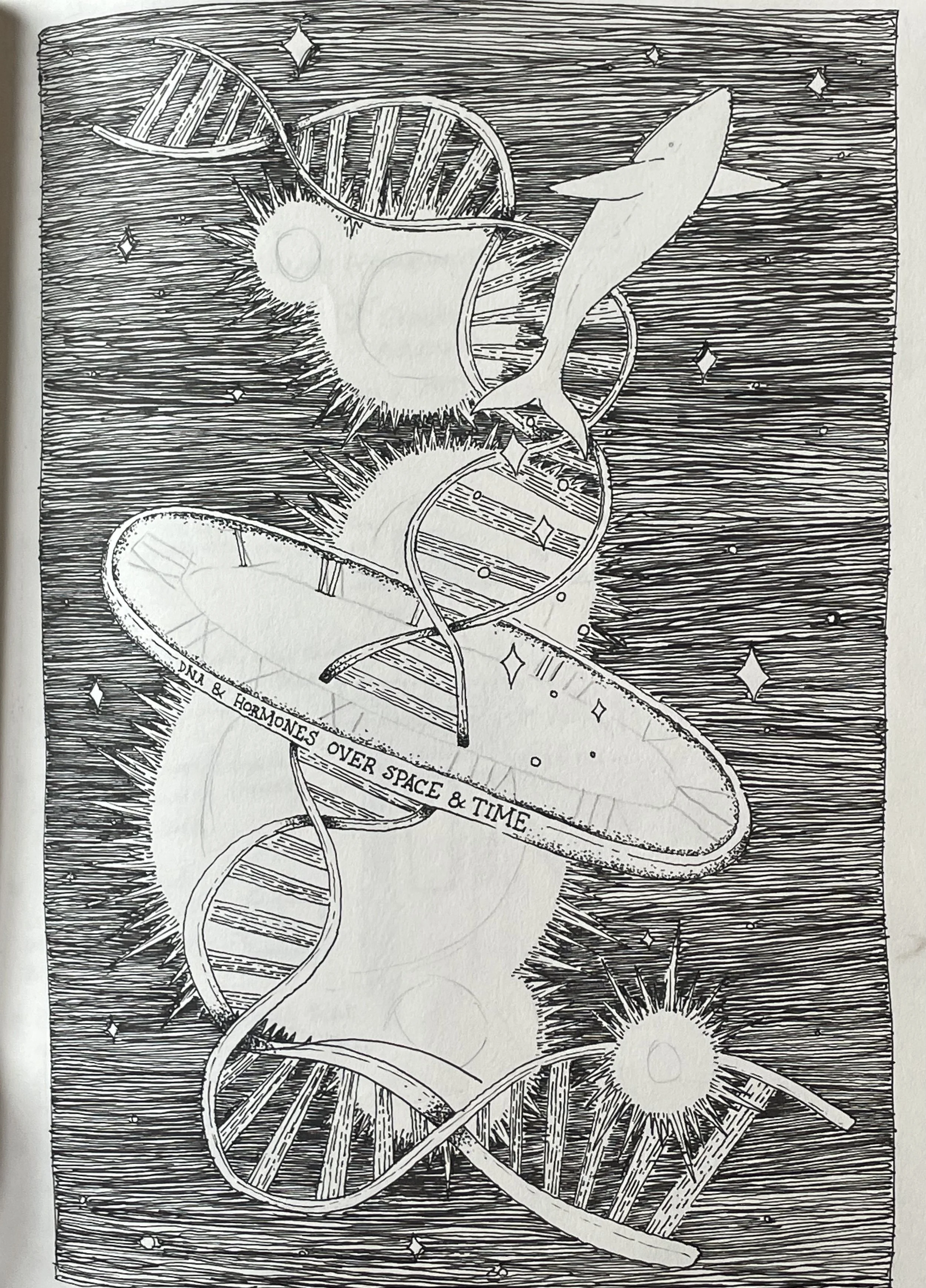
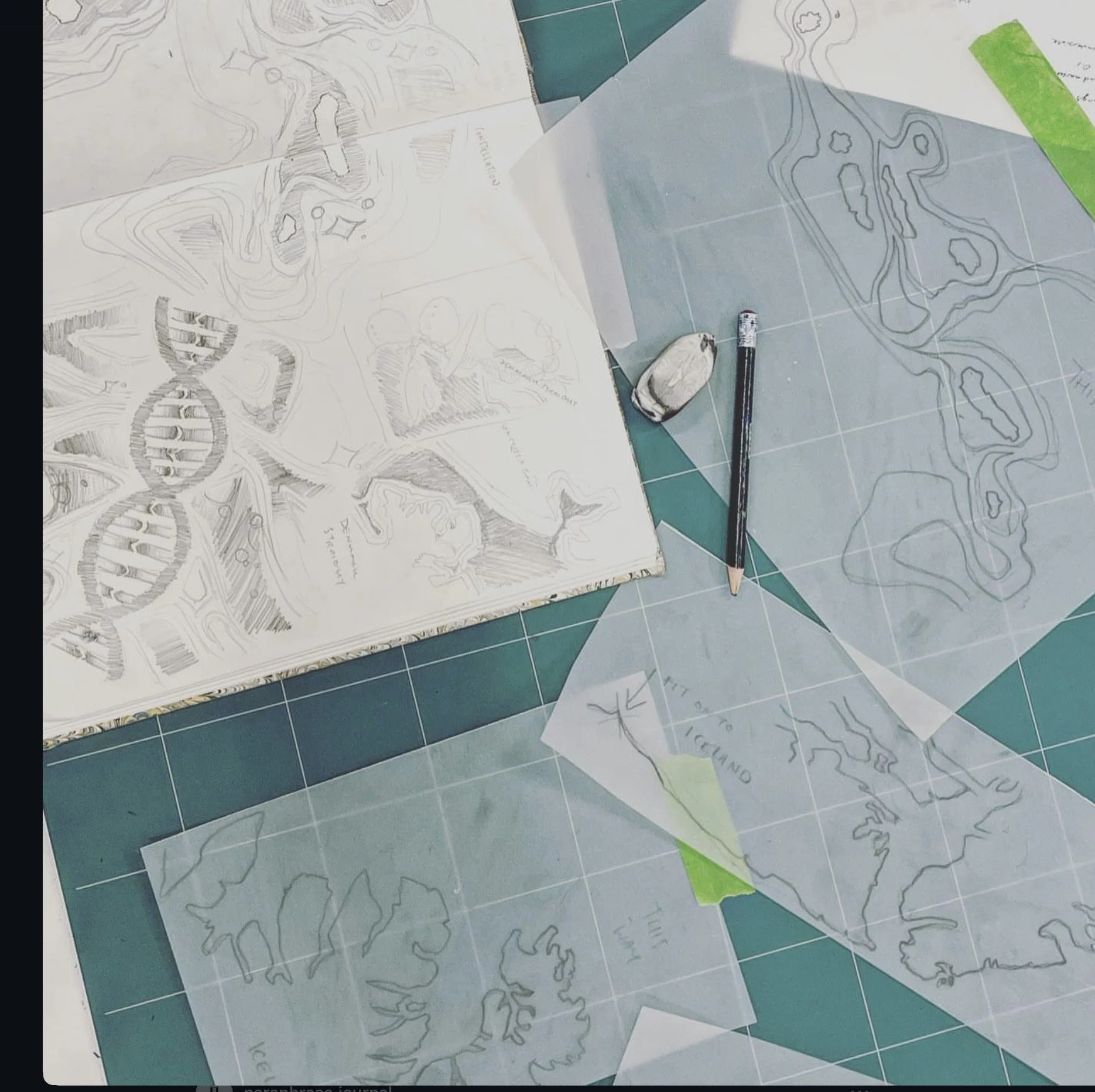
A sketchbook full of ideas…
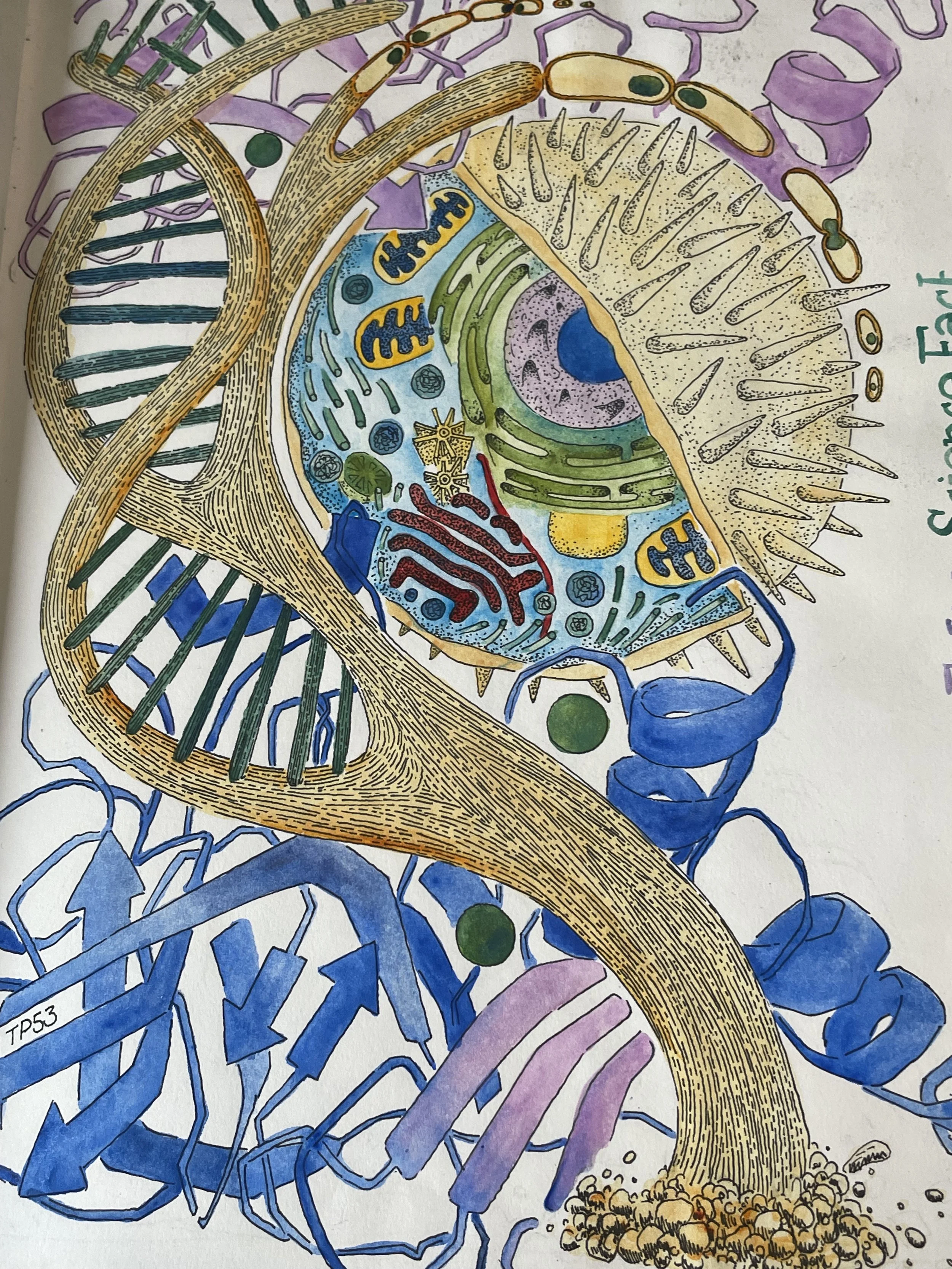
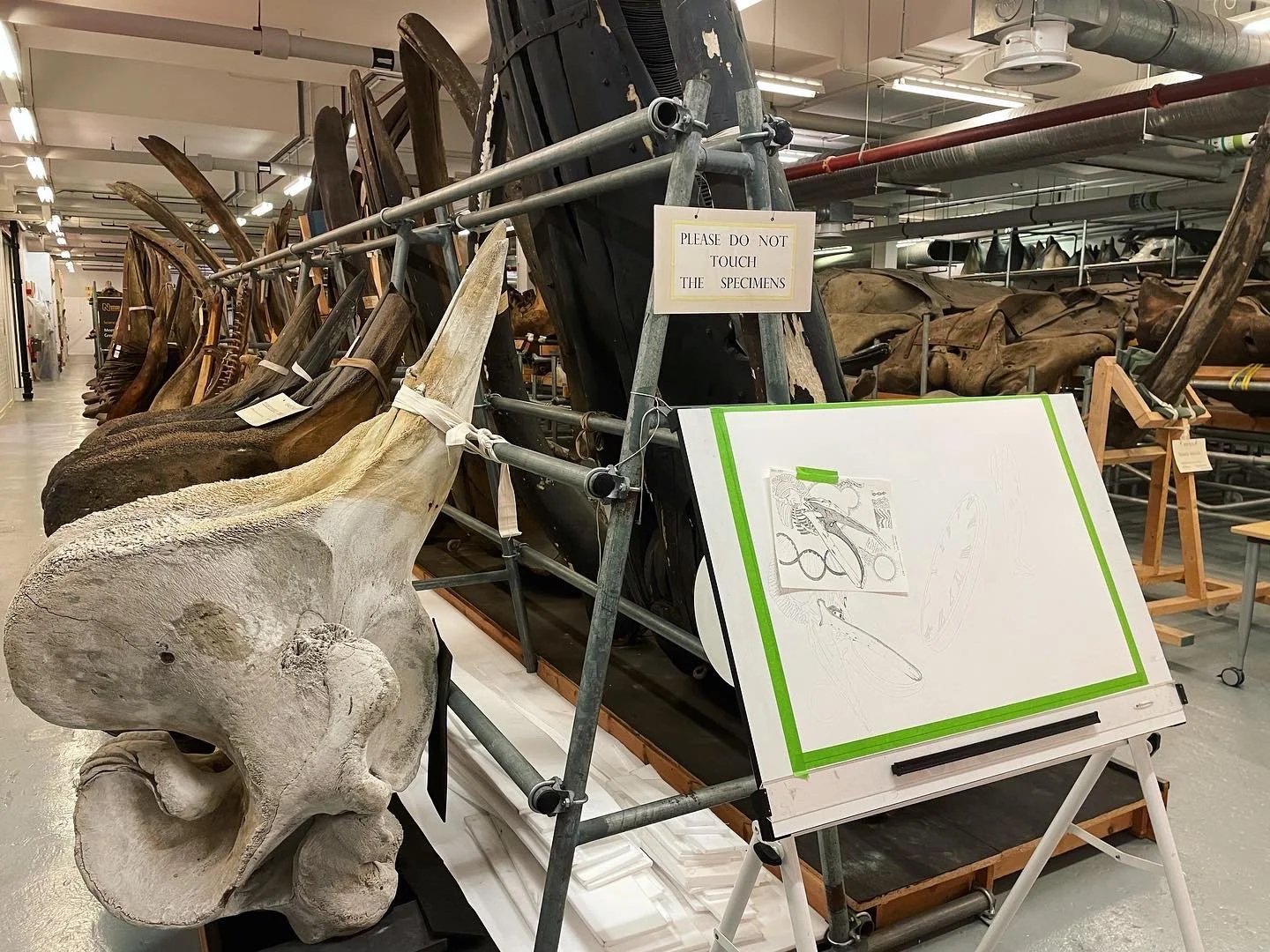
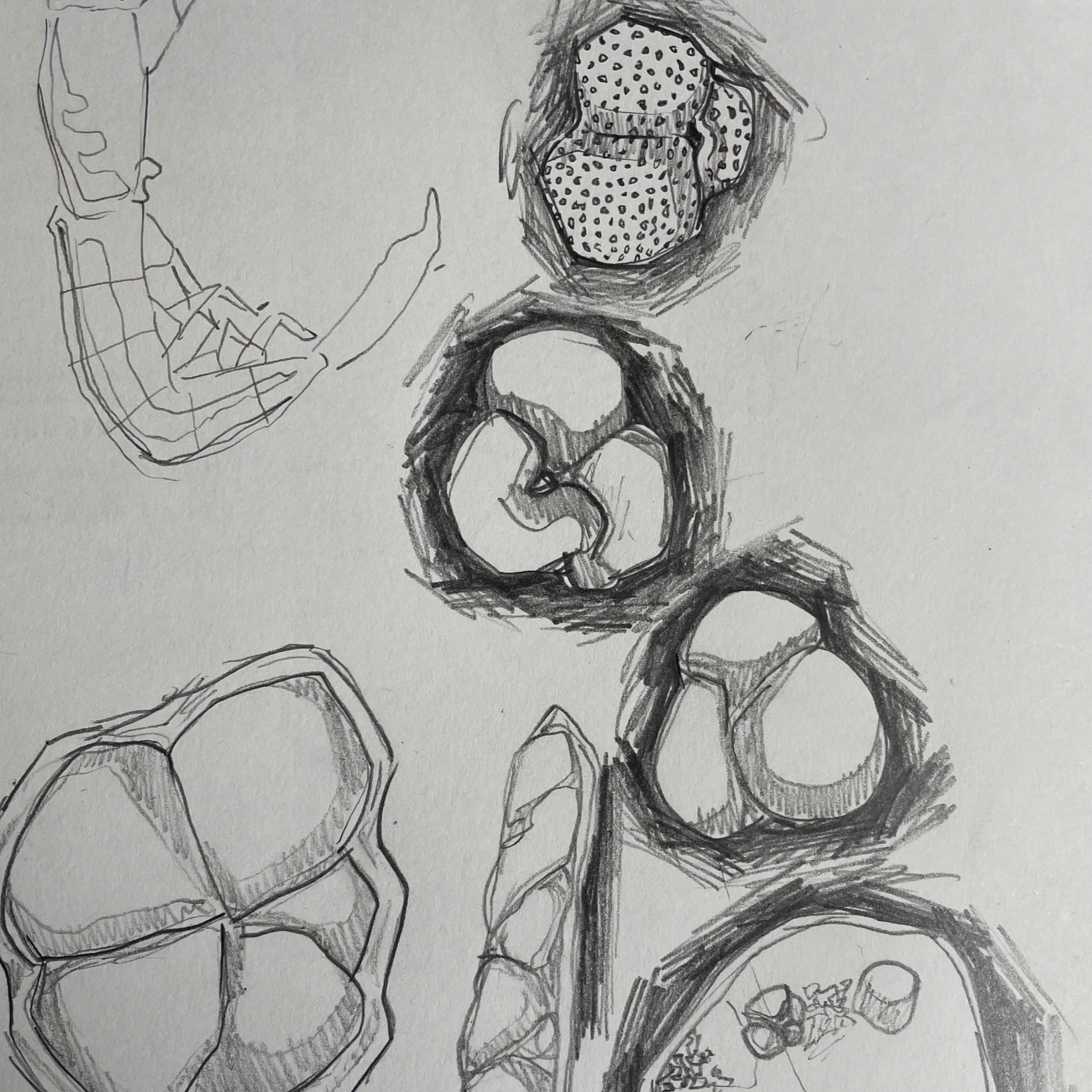
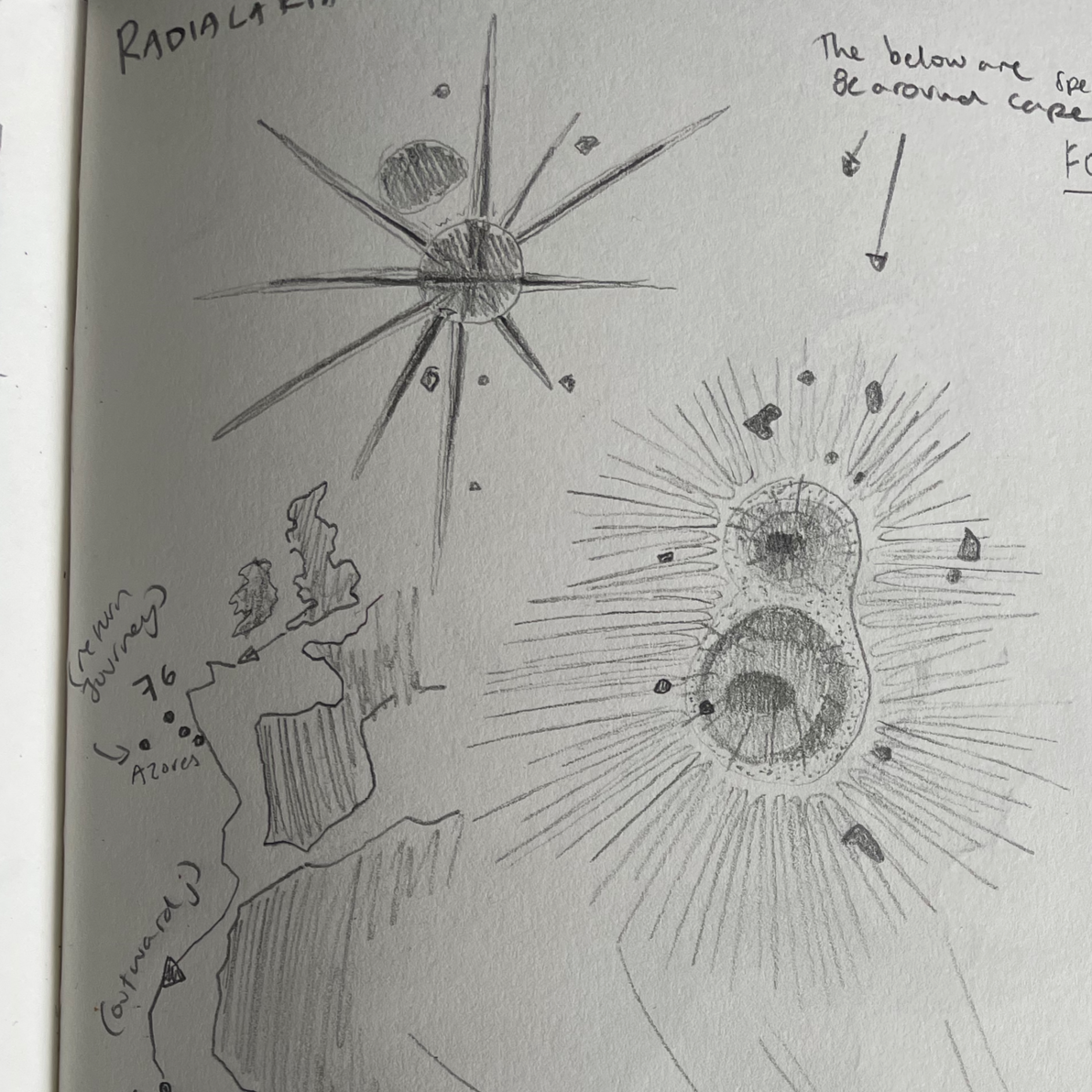
A selection of some of the sketched out ideas I had before I settled on creating an artwork inspired by Hope.
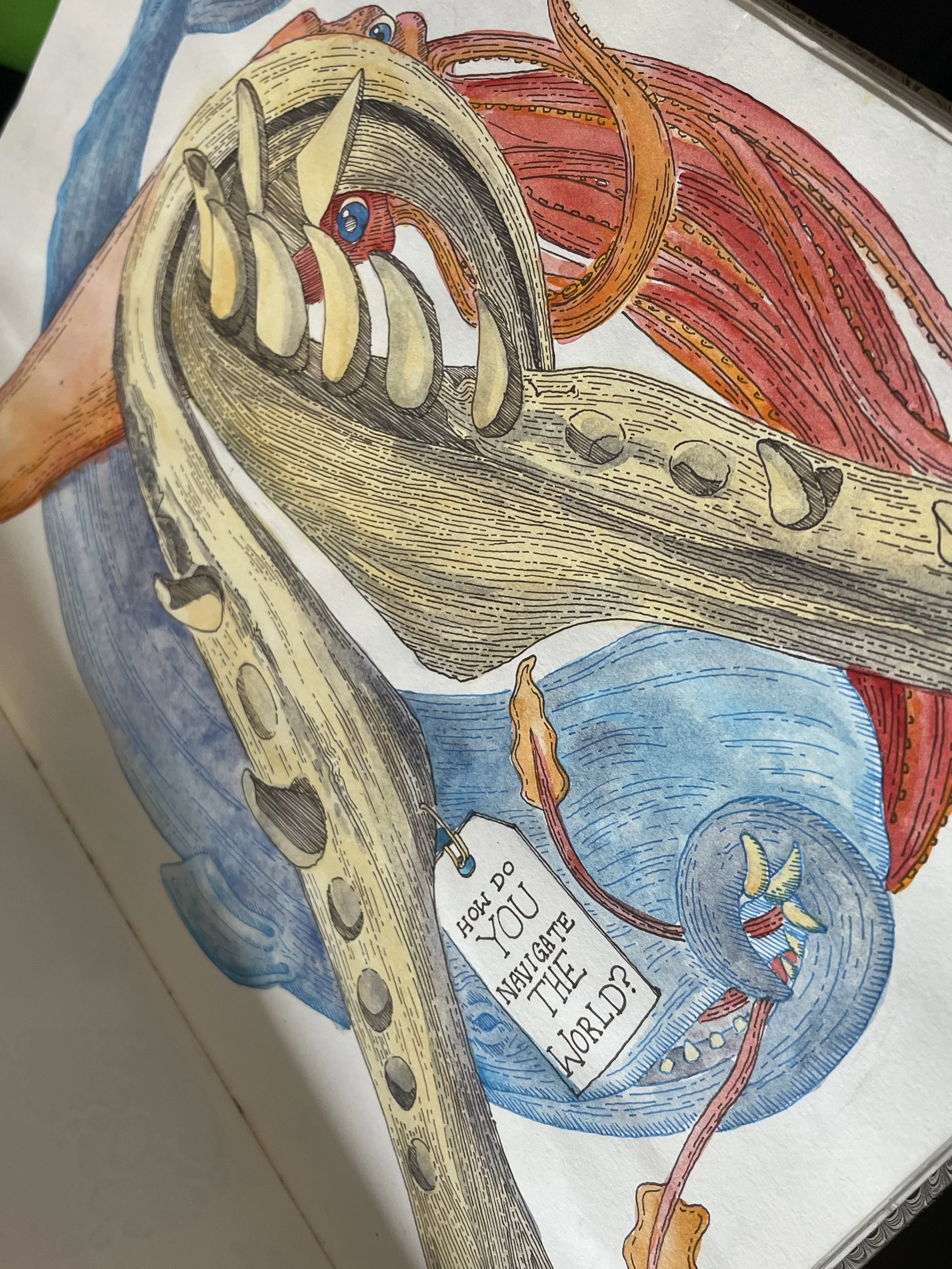

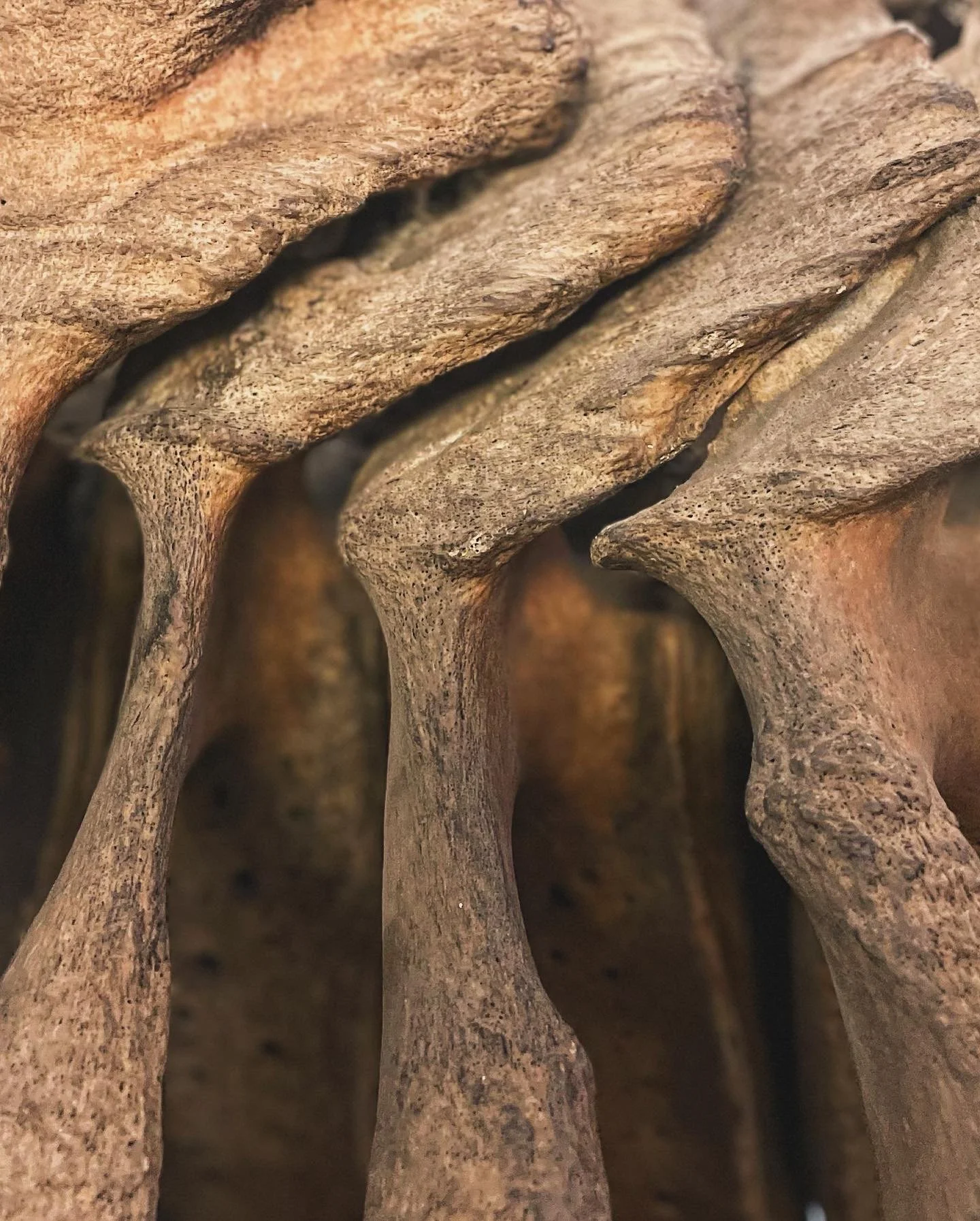
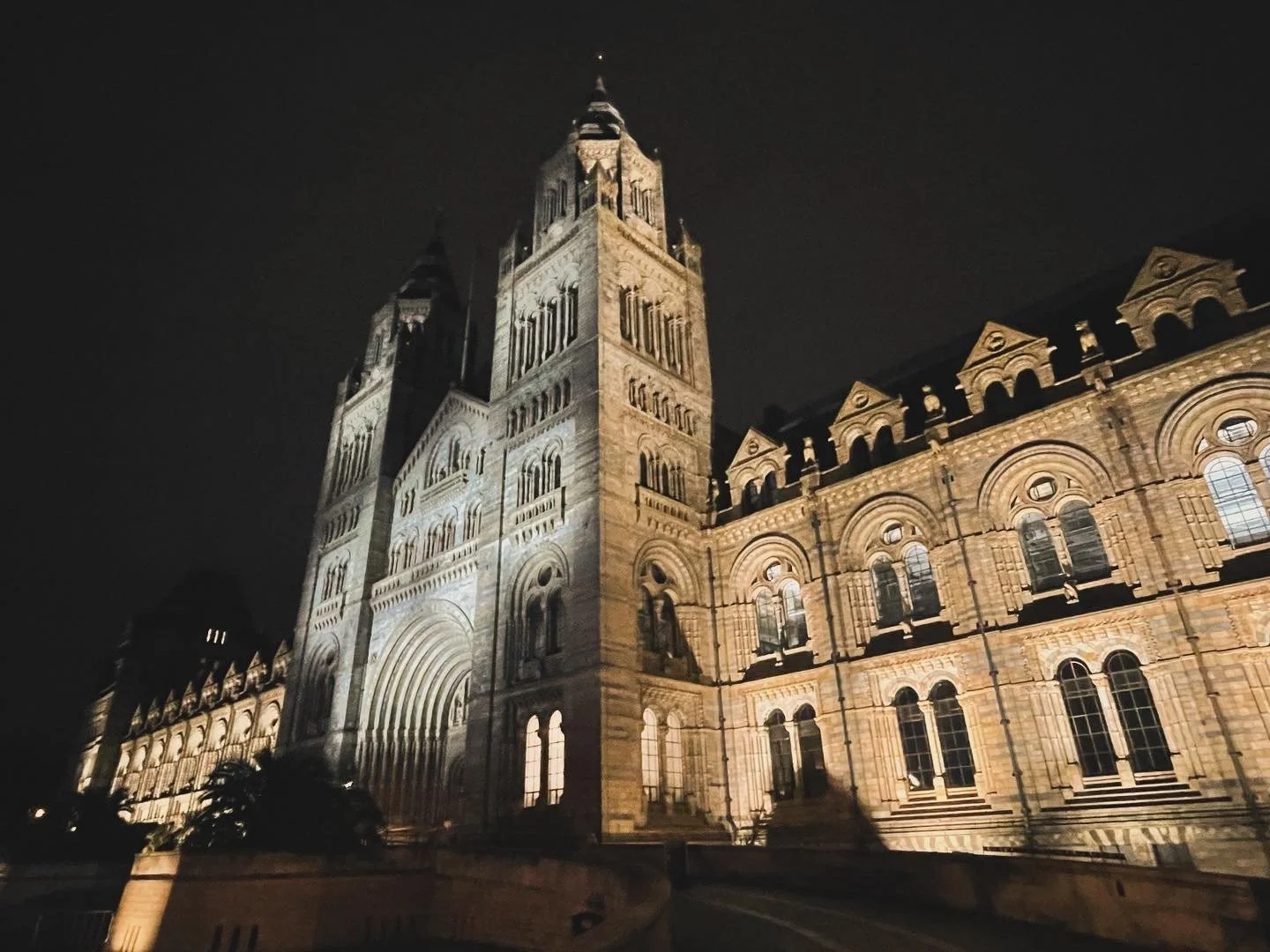
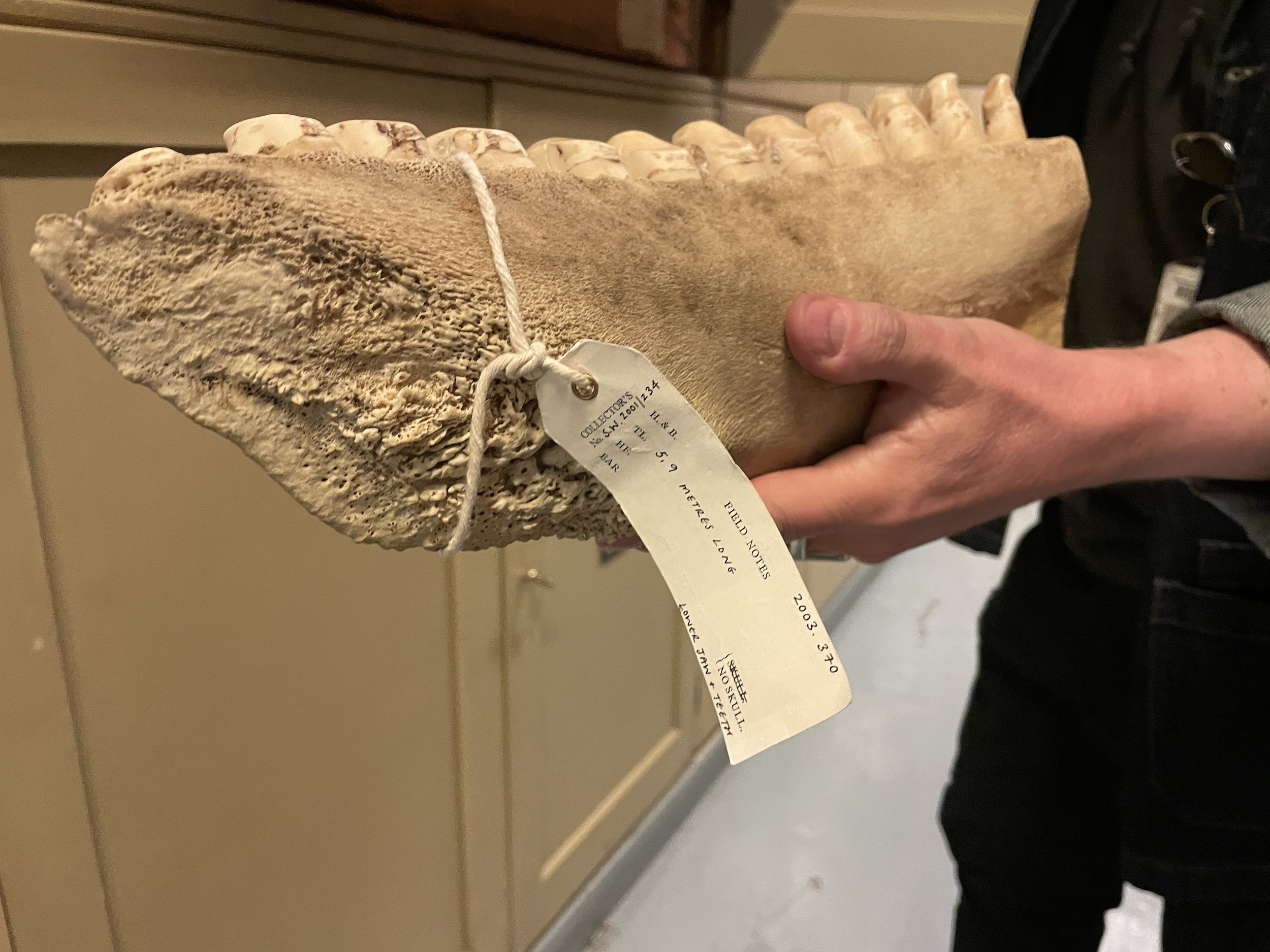


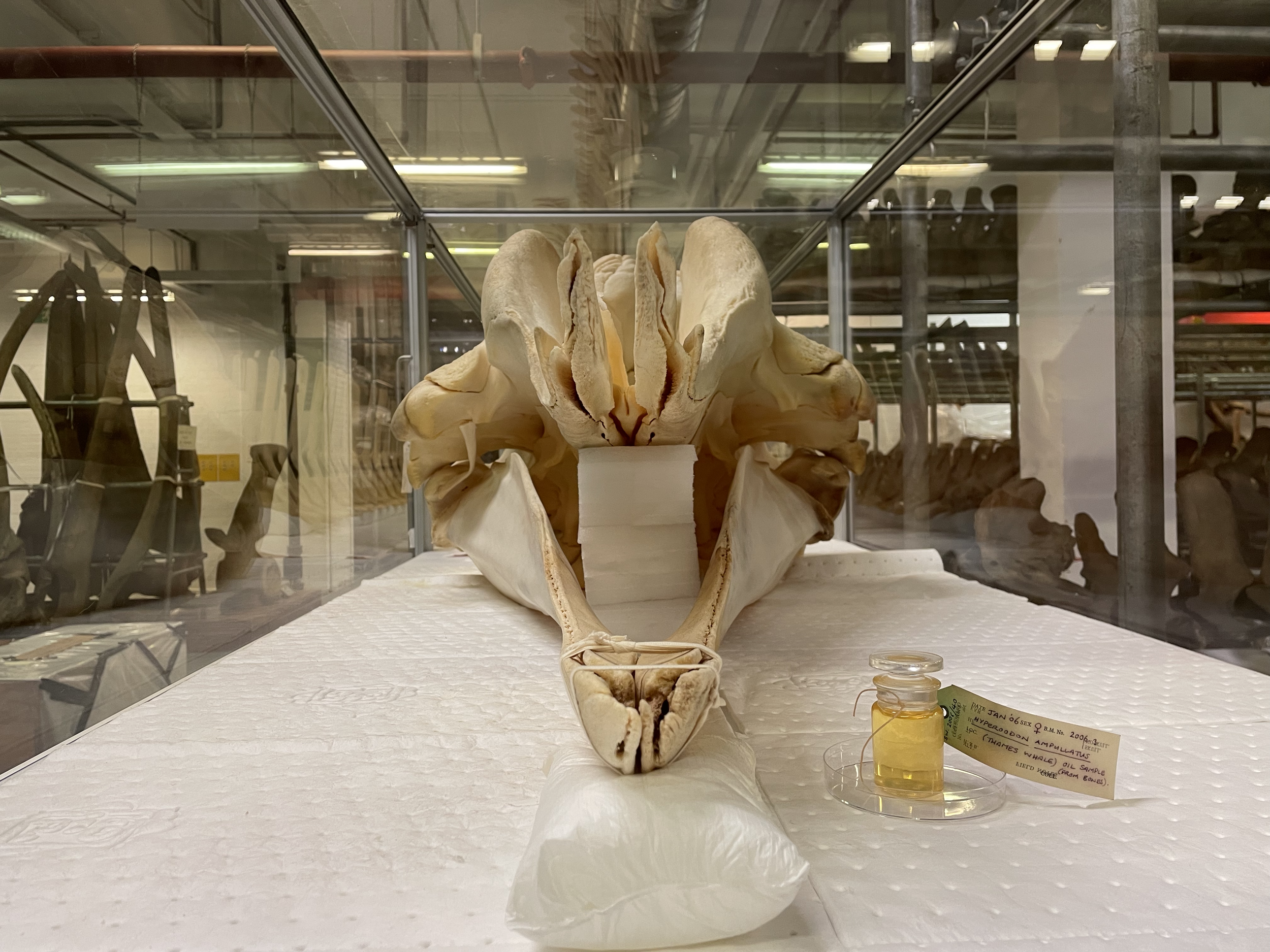

Practicing in the sketchbook
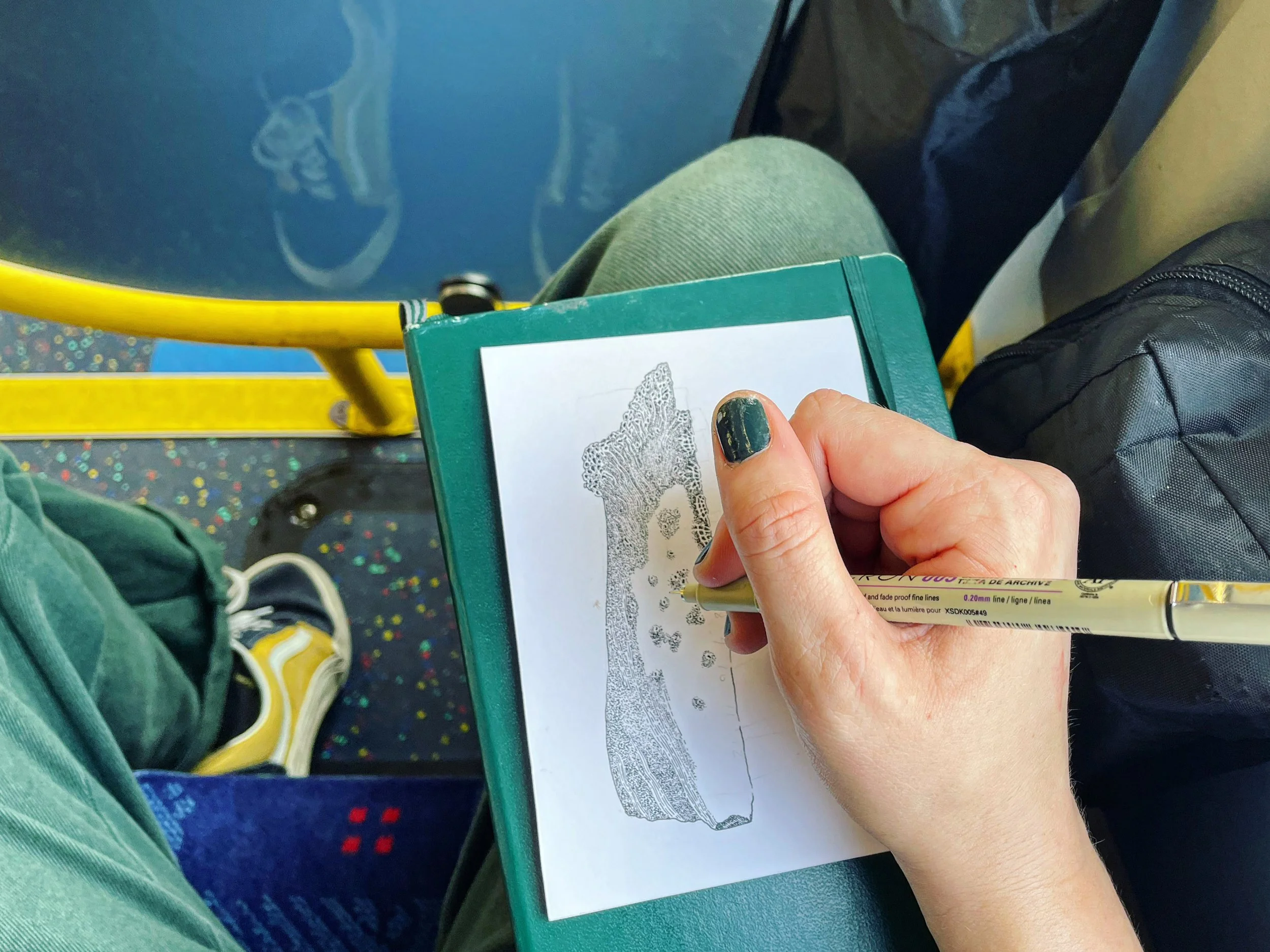
I’ve spent most of my time working small, curled over into a sketchbook where my work is safe and comfortable. Bringing my ideas onto large scale pieces has never been natural and this was a great opportunity to pull myself out of my comfort zone.

Making a start
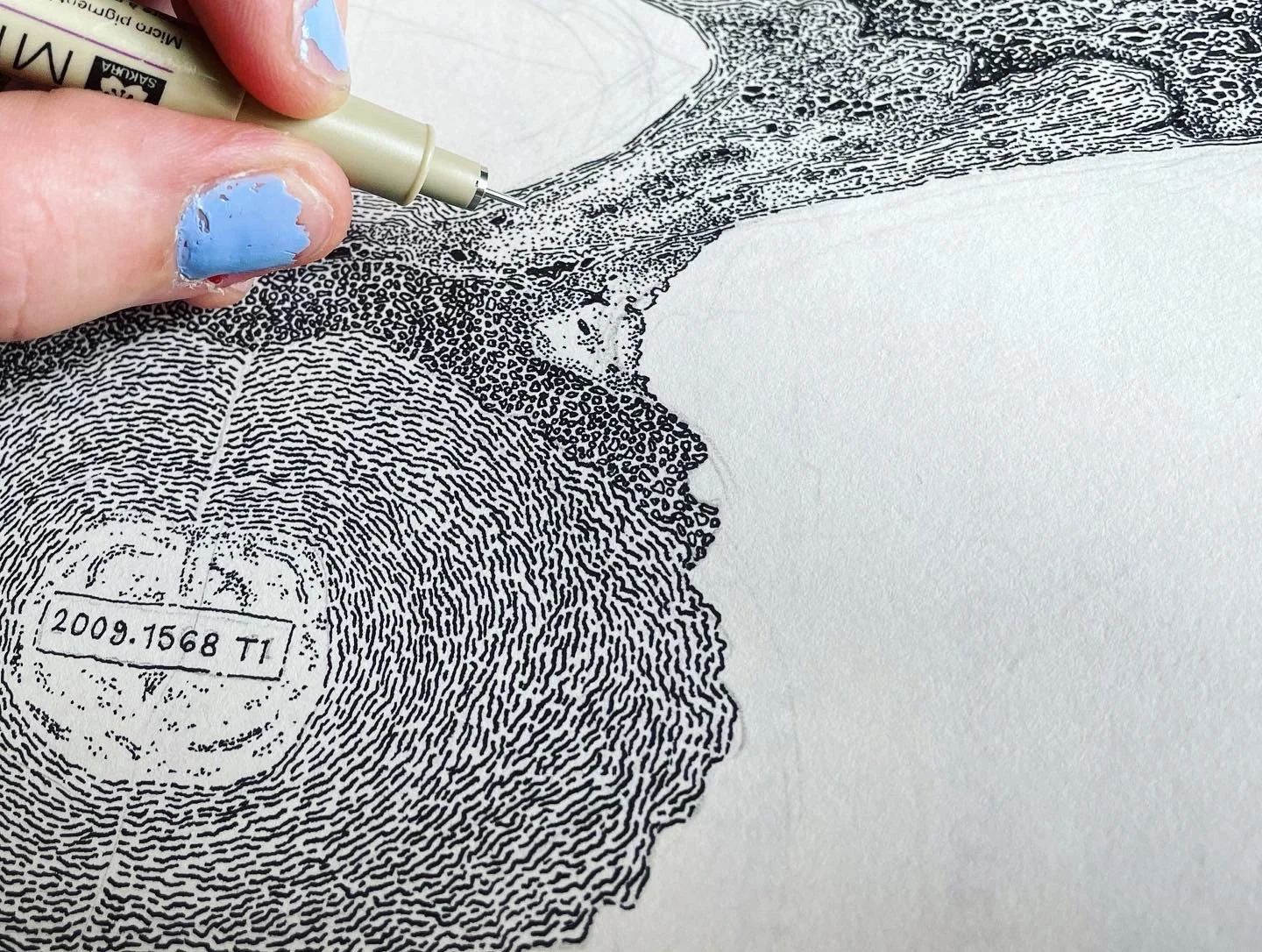
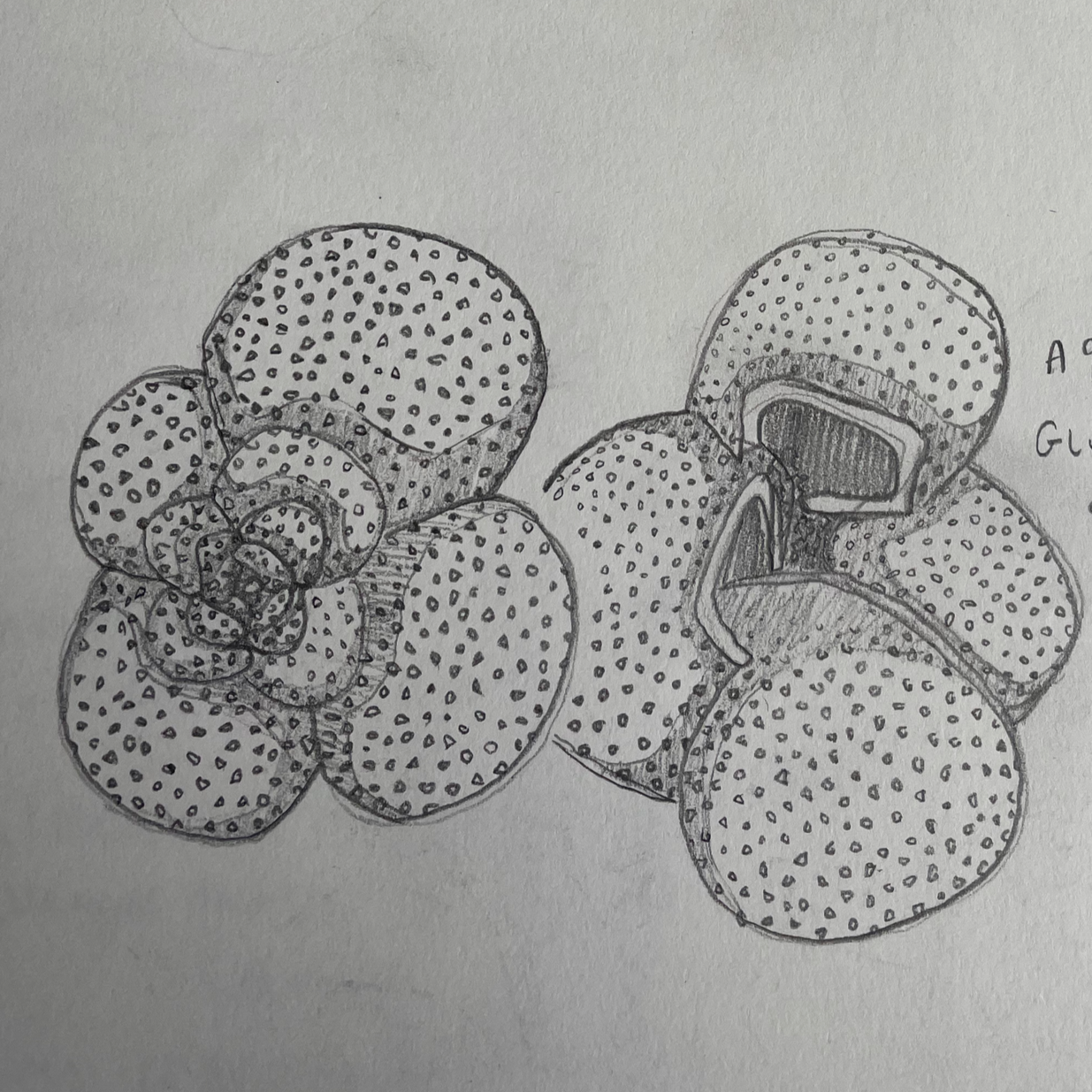
I’d never really spent much time doing dot work but it’s always been a technique I’ve wanted to develop. The fact that each and every mark I made would be permanent was pretty daunting, but it got me thinking about something Richard said…
‘We always add, we never take away.’
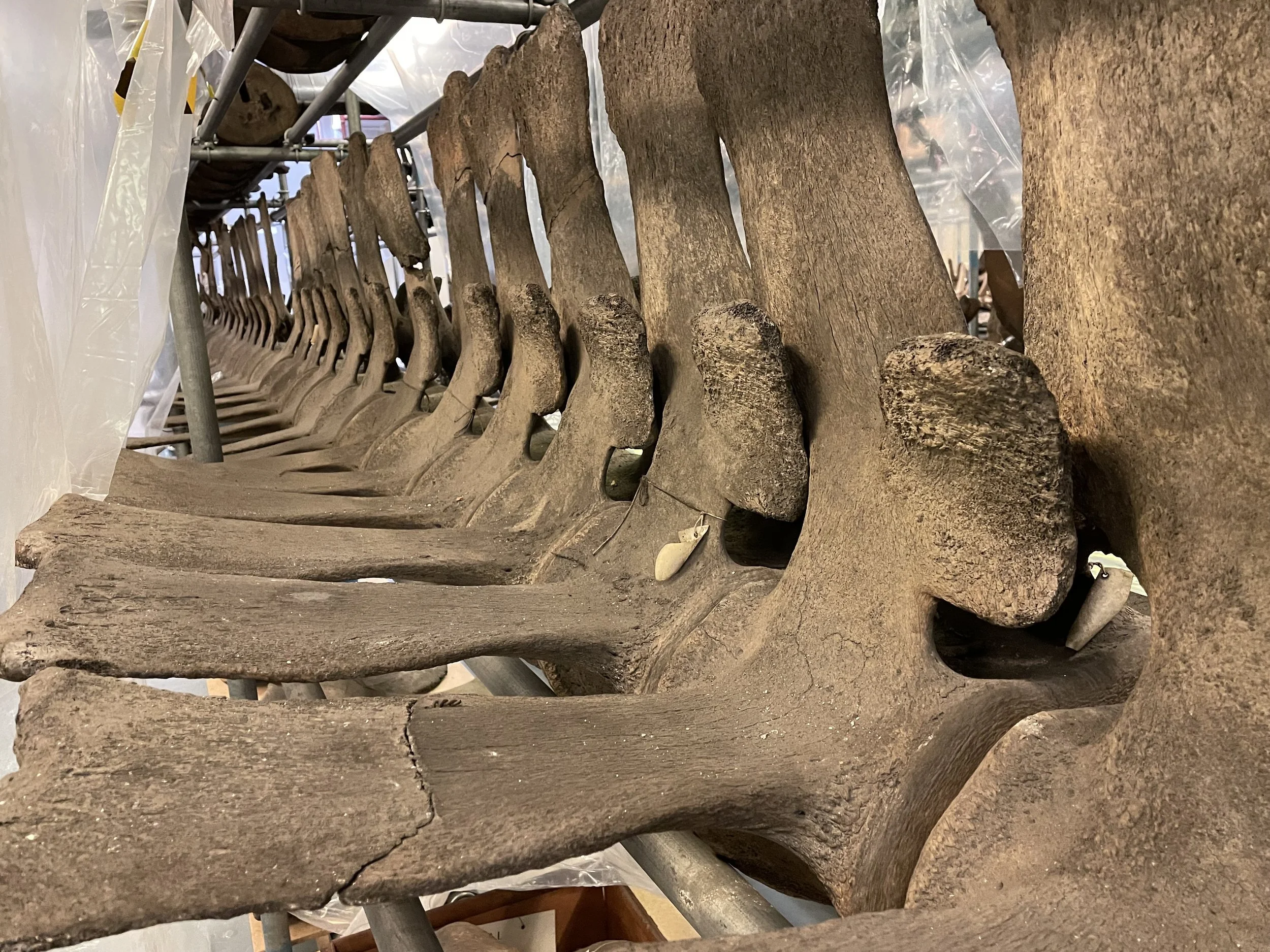
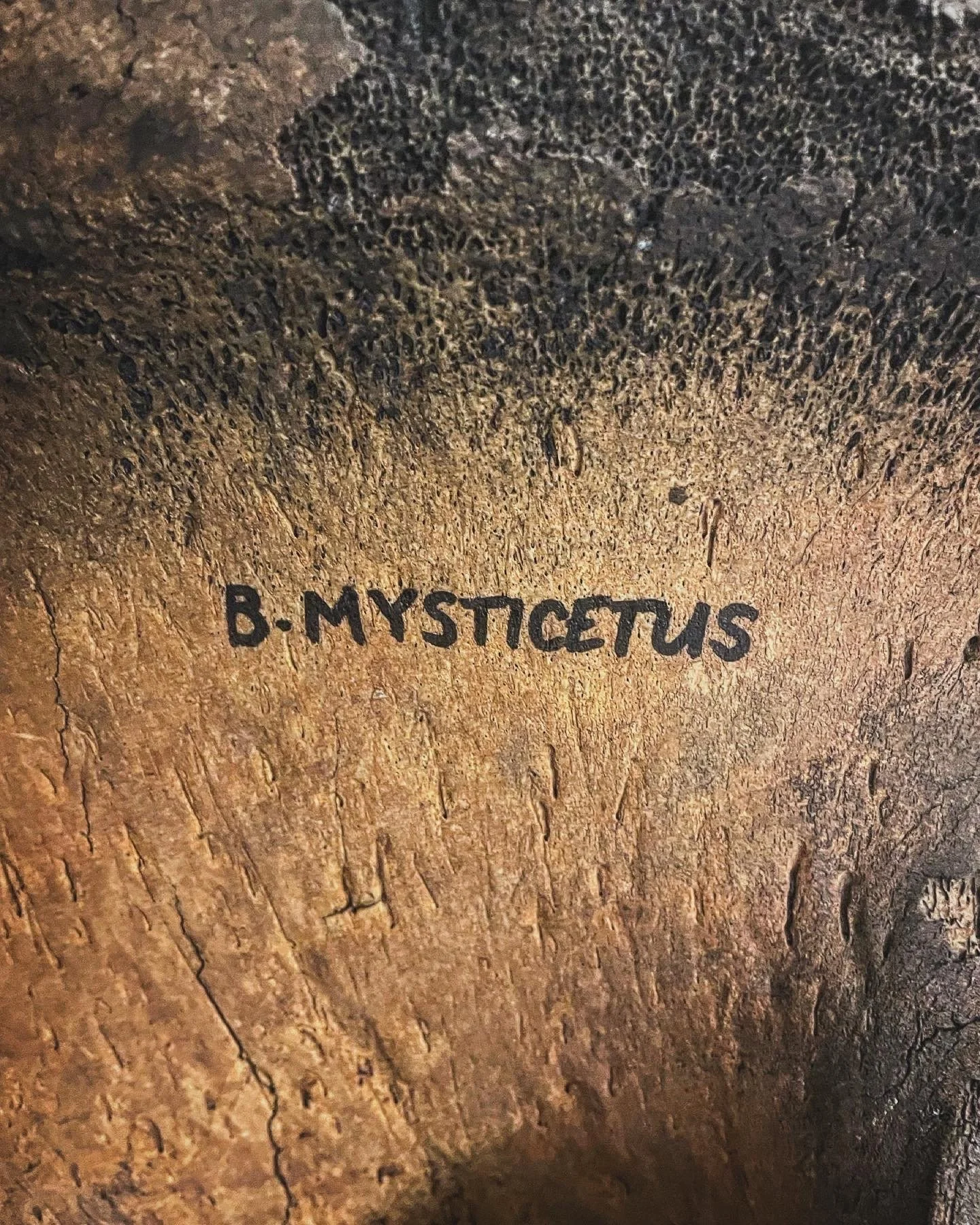
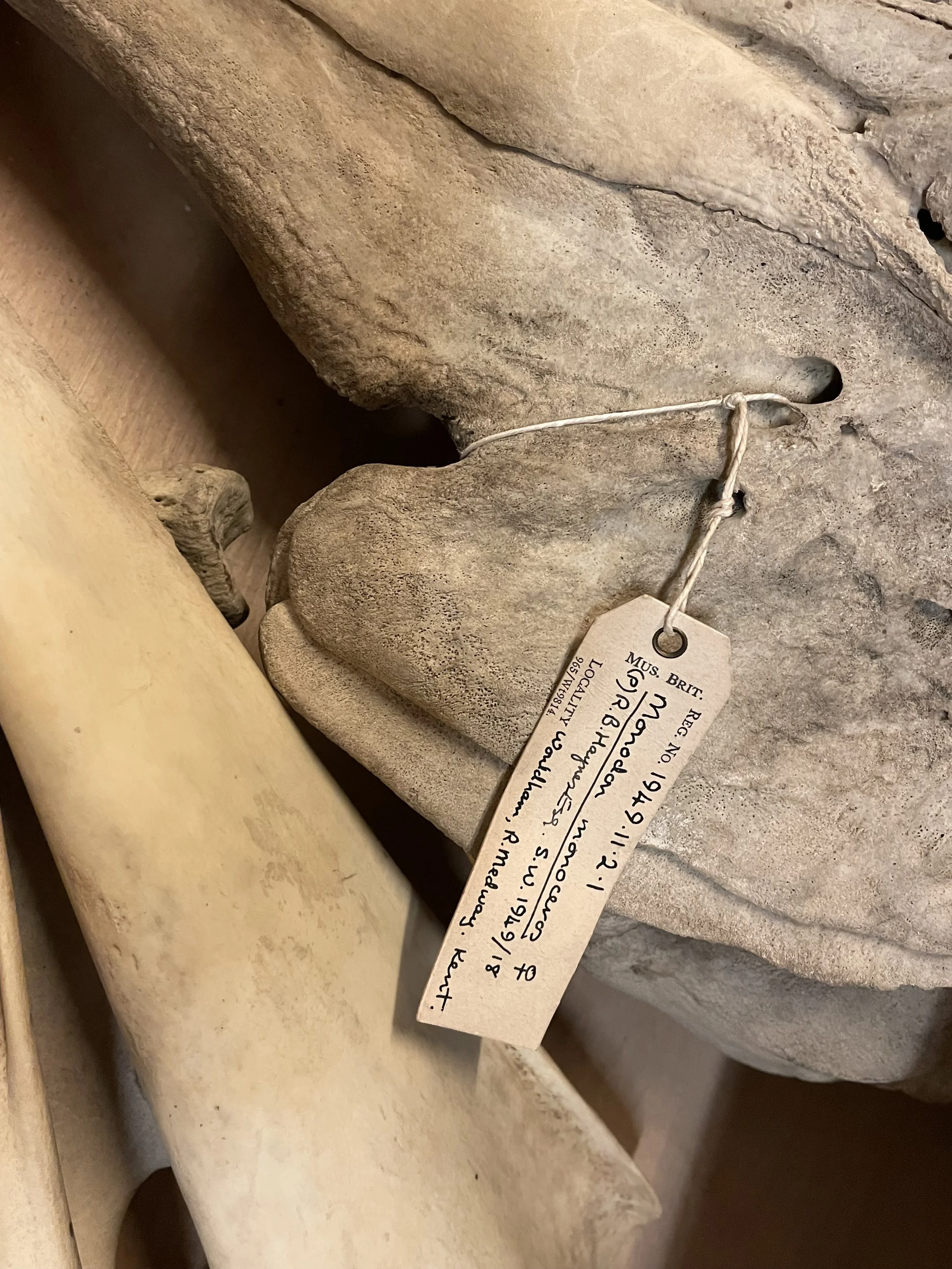
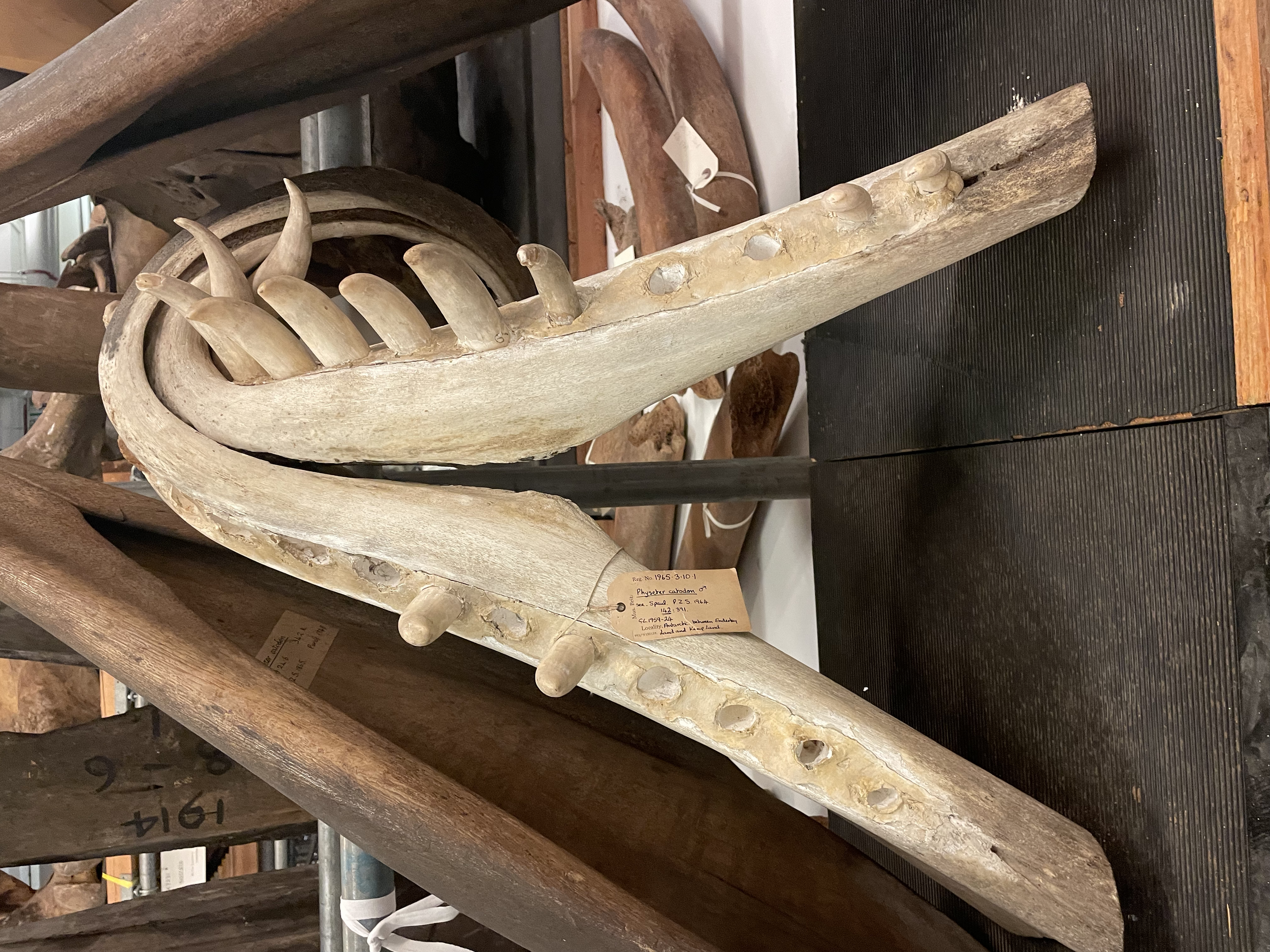
When the curators log a new specimen or alter an existing one when new research is uncovered, they don’t remove the old tags only add new ones. In the past notes have even been written directly onto the bones.
I shouldn’t be afraid of putting pen to paper.
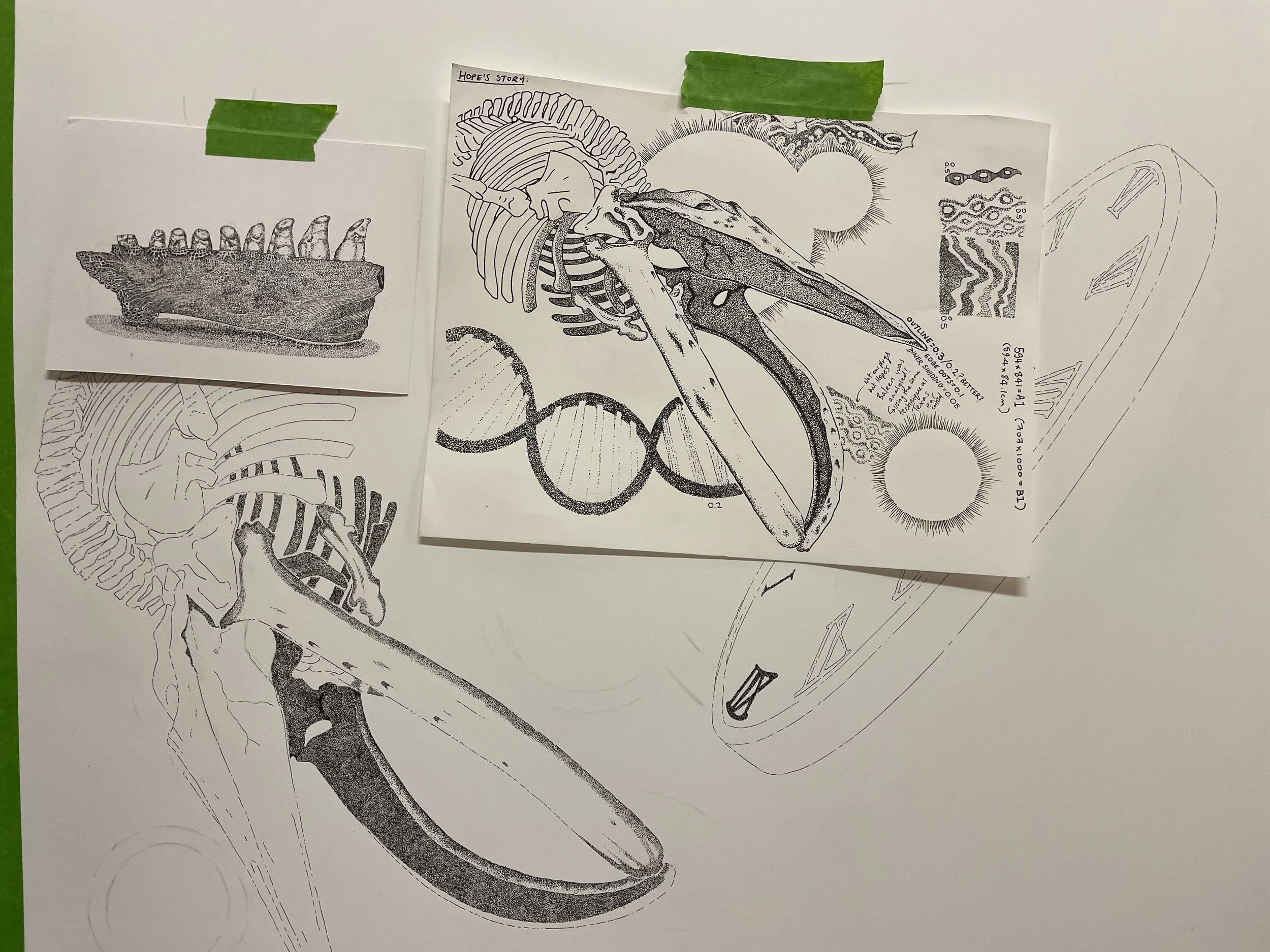
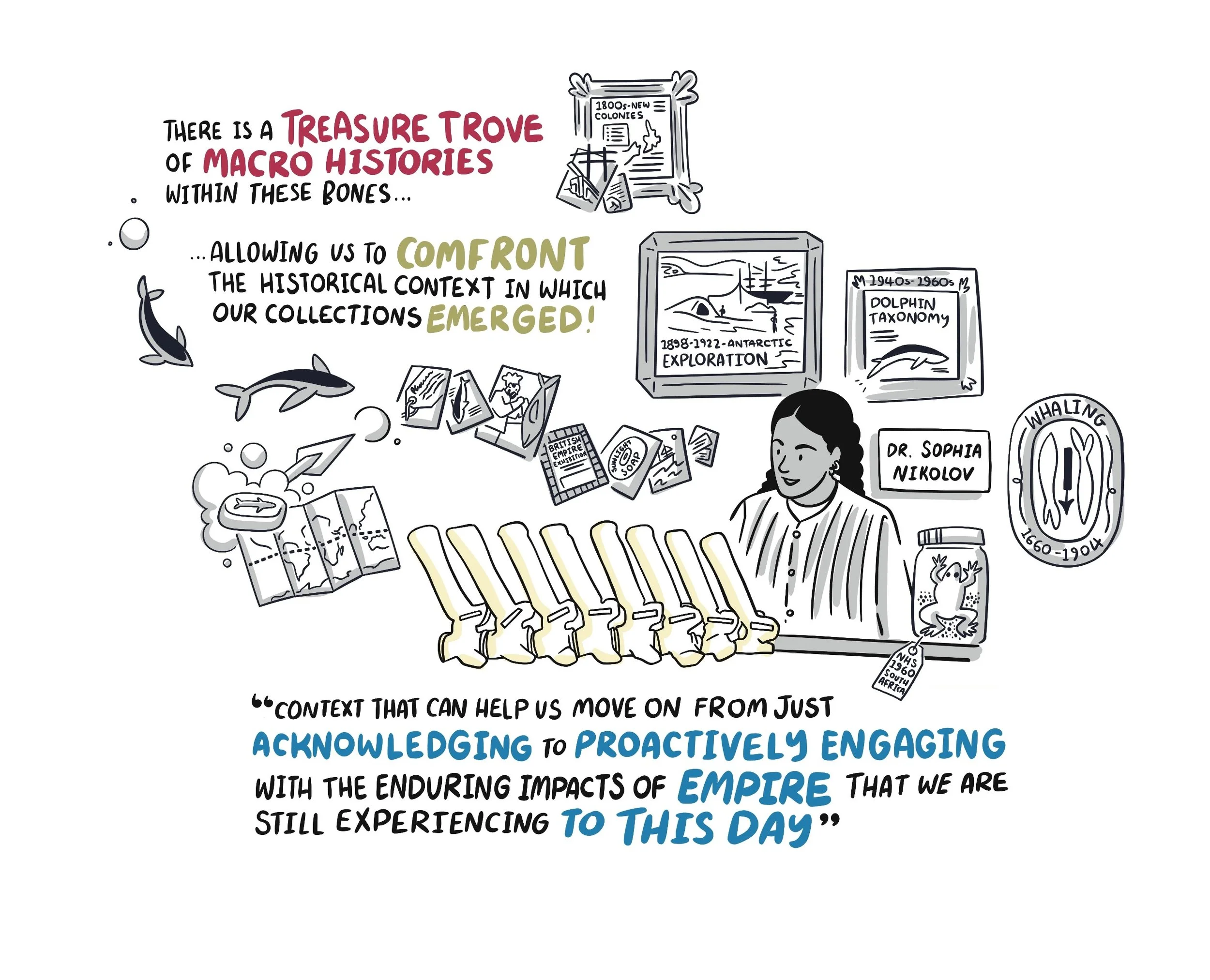
Inspired by research…

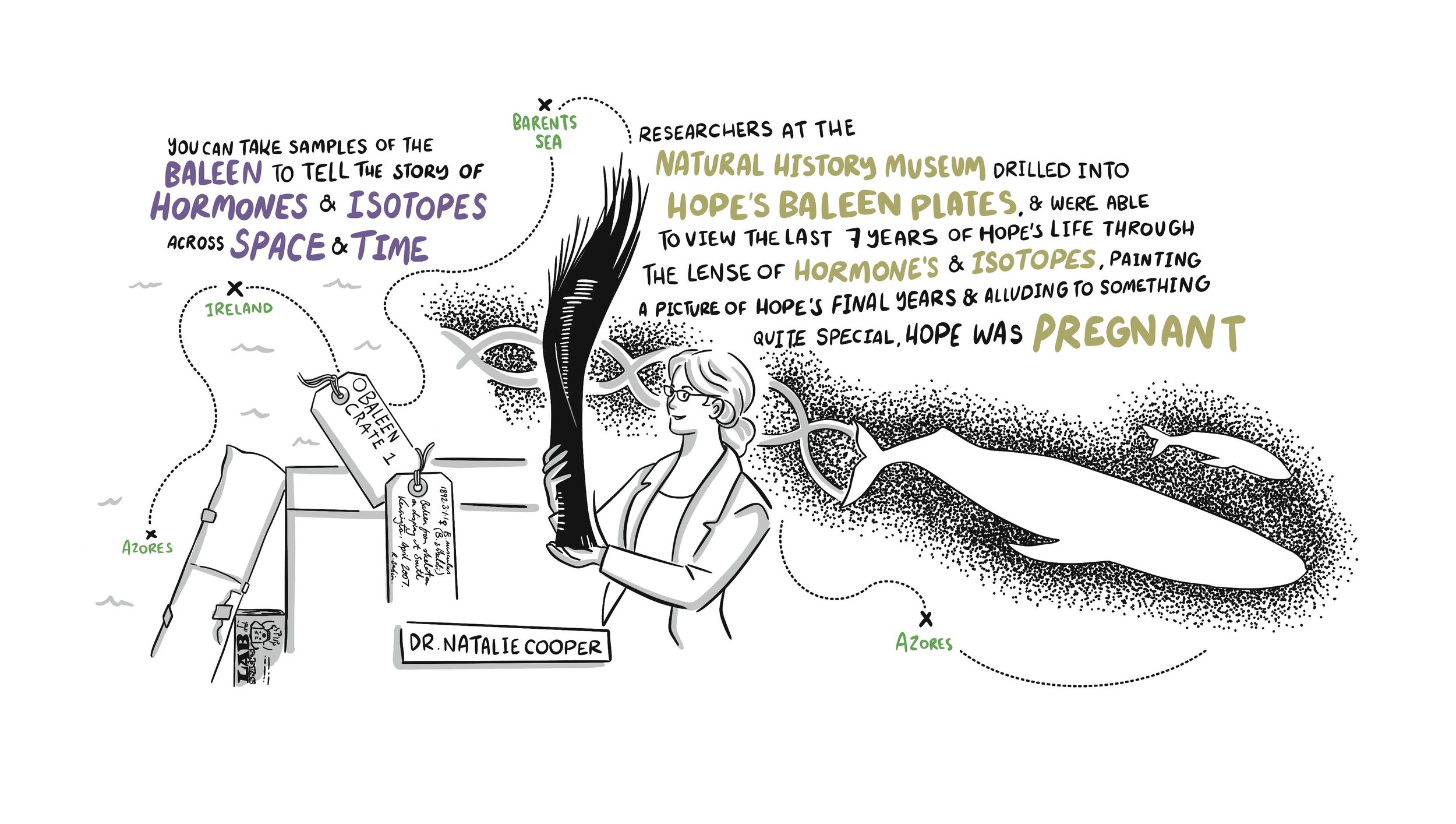
Back in 2019, Dr. Natalie Cooper, Merit Researcher and Richard Sabin, Curator, both at the Natural History Museum published a paper combining simulation modelling and stable Isotope analyses to reconstruct the last known movements of one of the oceans giants.
It's hard to directly study how rare, migratory ocean animals like blue whales move around — they're simply too elusive. Some animals grow tissue in layers over time (like tree rings). The chemical makeup of each layer can act as a kind of travel diary, recording where the animal was and what it ate.
Reading that chemical diary isn't straightforward, there are several different factors that influence the chemistry, and the picture can be ambiguous. Researchers used computer simulation modelling to test different possible explanations and work out which one best matched the chemical data they observed.
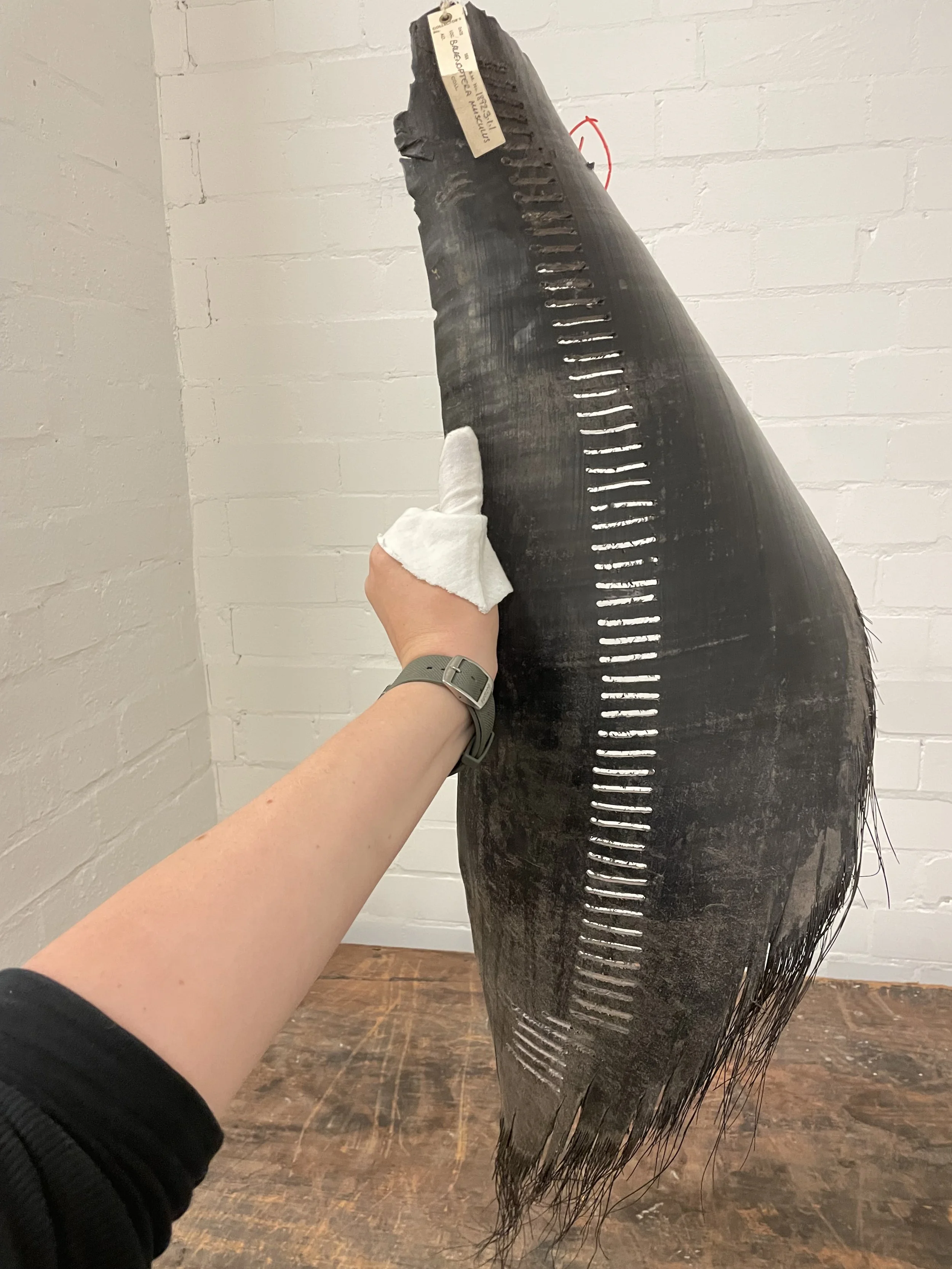
They applied this method to a blue whale that washed ashore in the UK in 1891, the same whale that’s inspired millions of children over the last 100 years at the Natural History Museum. Hope the Whale (otherwise known as 1891.3.1.1).
The isotope data from her baleen plates best matched a pattern of at least one year spent in subtropical waters, followed by three yearly migrations back and forth between subtropical and high-latitude regions. In the year before she stranded, that migration pattern was disrupted which could suggest pregnancy and weaning, though the chemical data alone can't confirm this.
This simulation approach is a powerful tool for unlocking movement histories from museum specimens and historic collections, particularly when other tracking data simply doesn't exist

Connected Stories
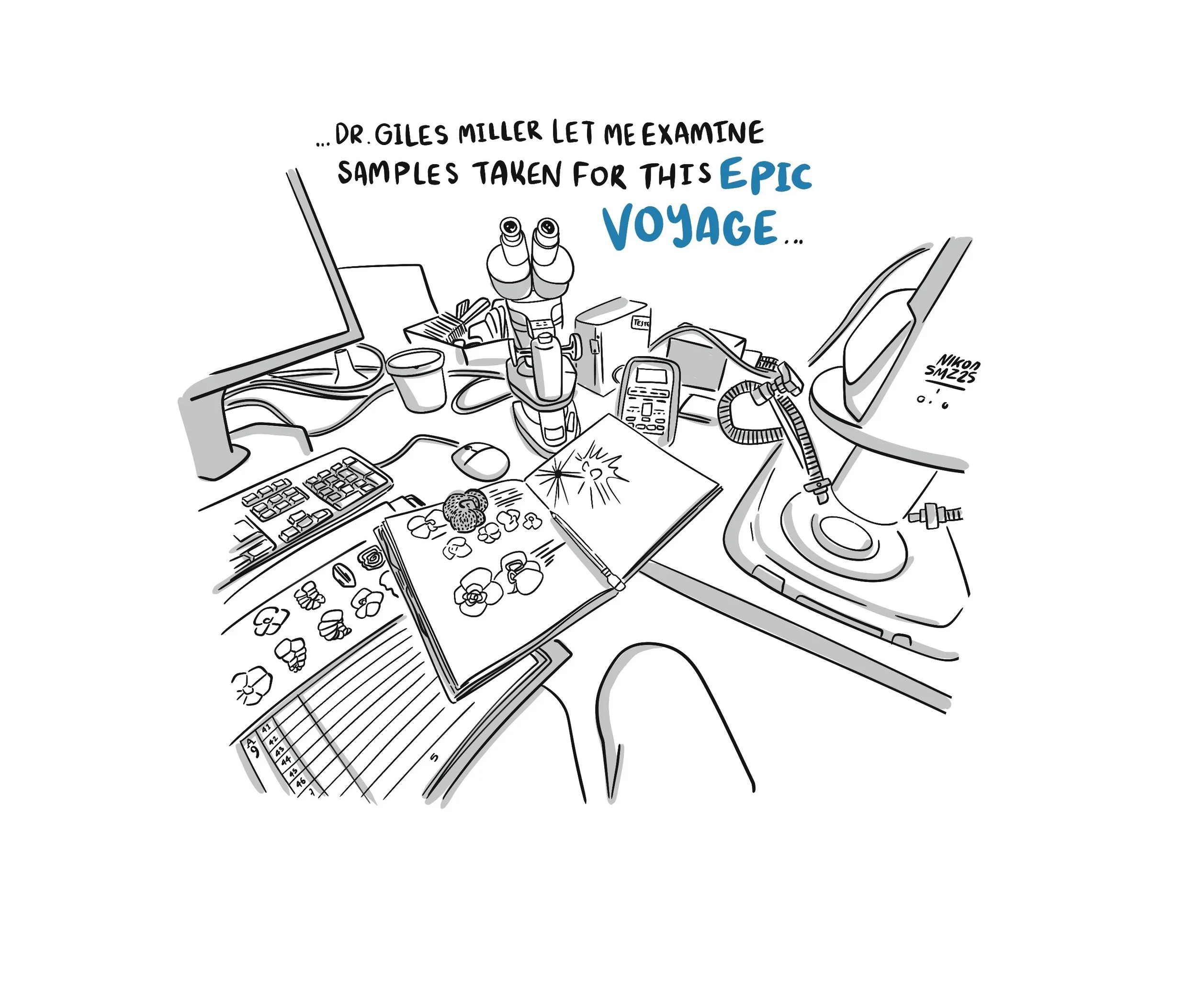
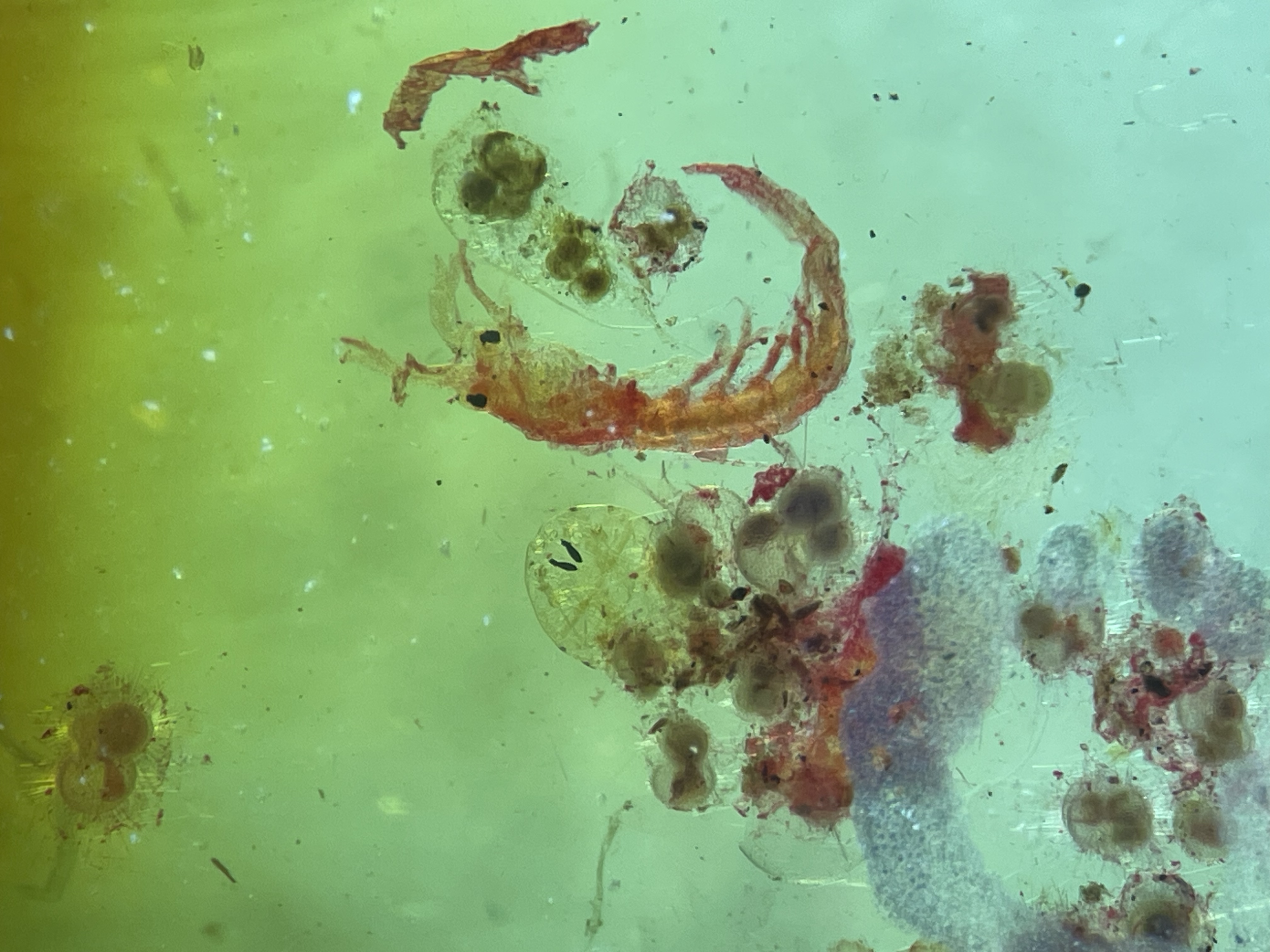
During one of my visits to the collection I encountered Dr Giles Miller and his team. Giles is the Principal Curator of Micropalaeontology and spoke to me about the museum’s incredible collection of Ocean Bottom Deposits.
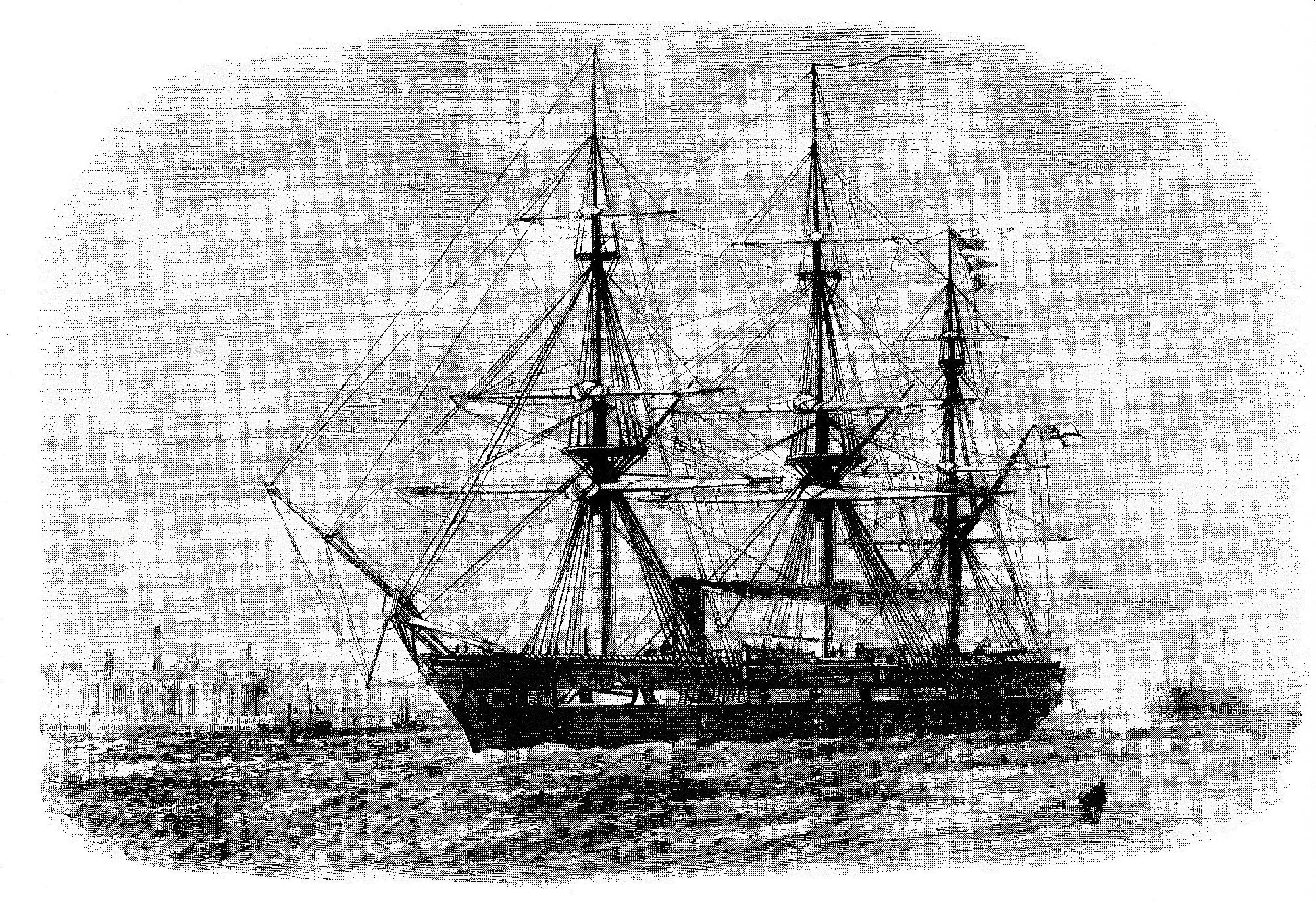
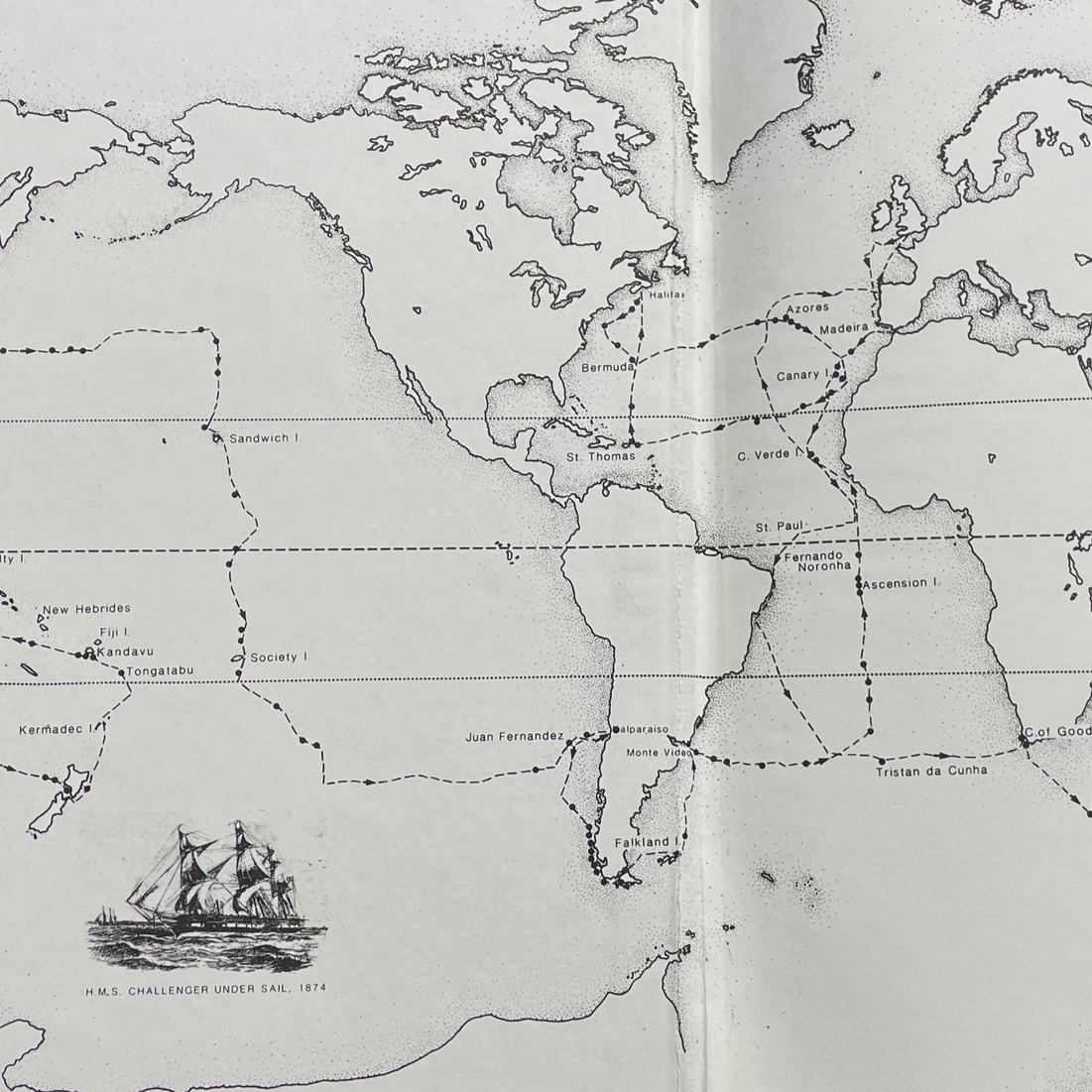
The HMS Challenger Expedition of 1872–76 represents one of the most significant voyages in the history of science, and is currently housed at the Natural History Museum. The expedition’s seabed samples form the heart of the Sir John Murray Collection, donated to the Museum by Murray’s family in 1921.
These materials continue to underpin active research into global climate change, oceanic warming, and marine pollution, demonstrating how a Victorian voyage of discovery still informs our understanding of the planet today.
This journey traversed the same seas as Hope only nineteen years earlier.
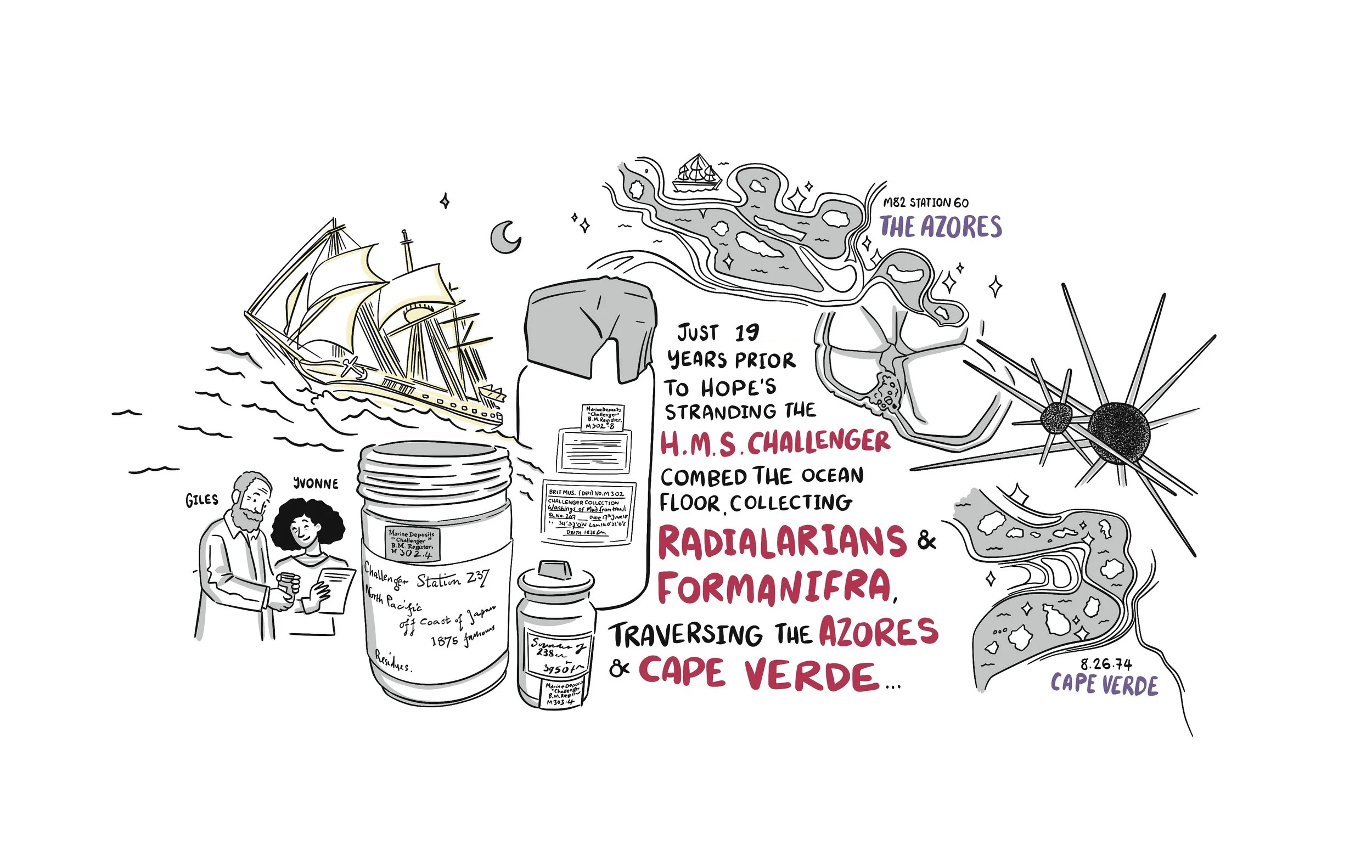

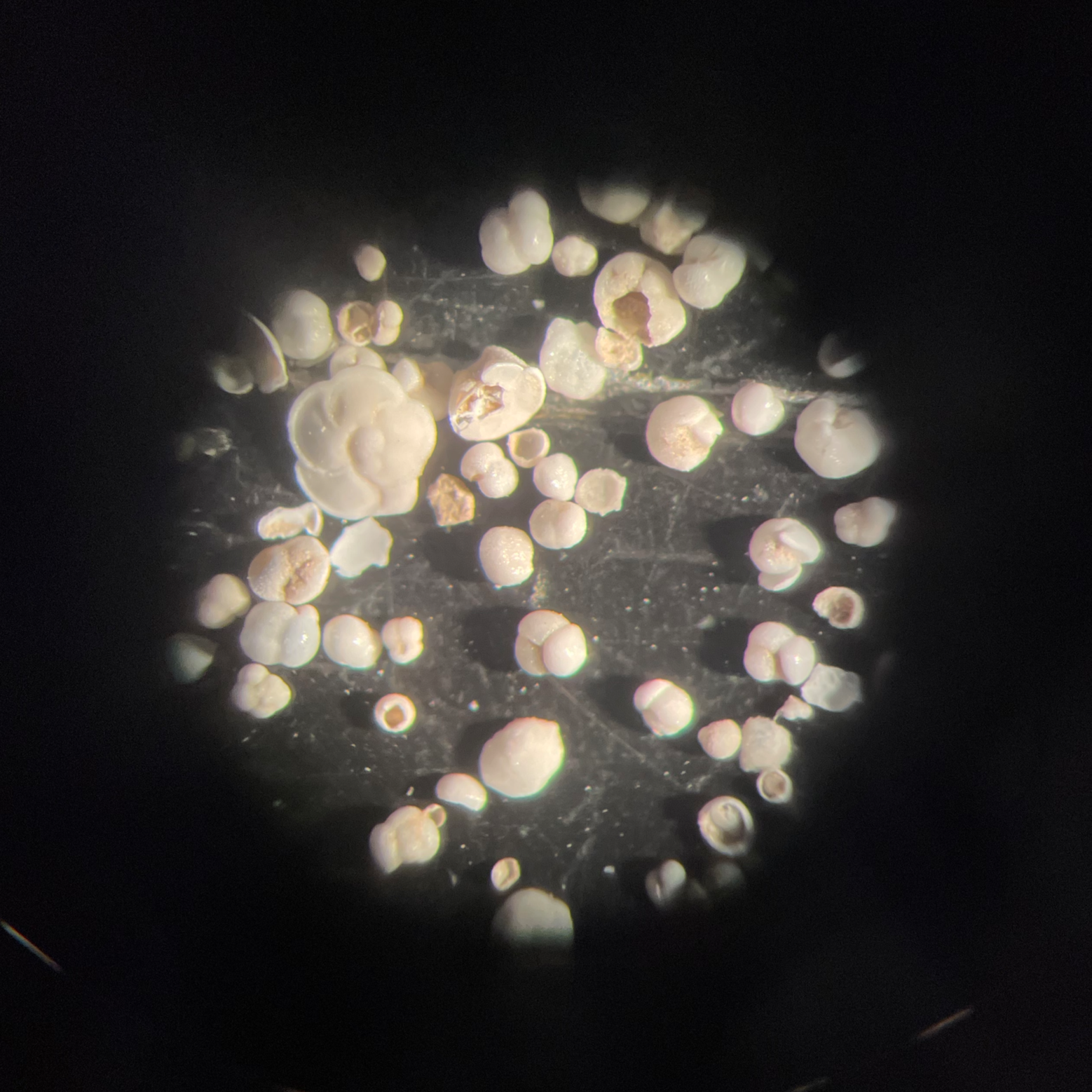
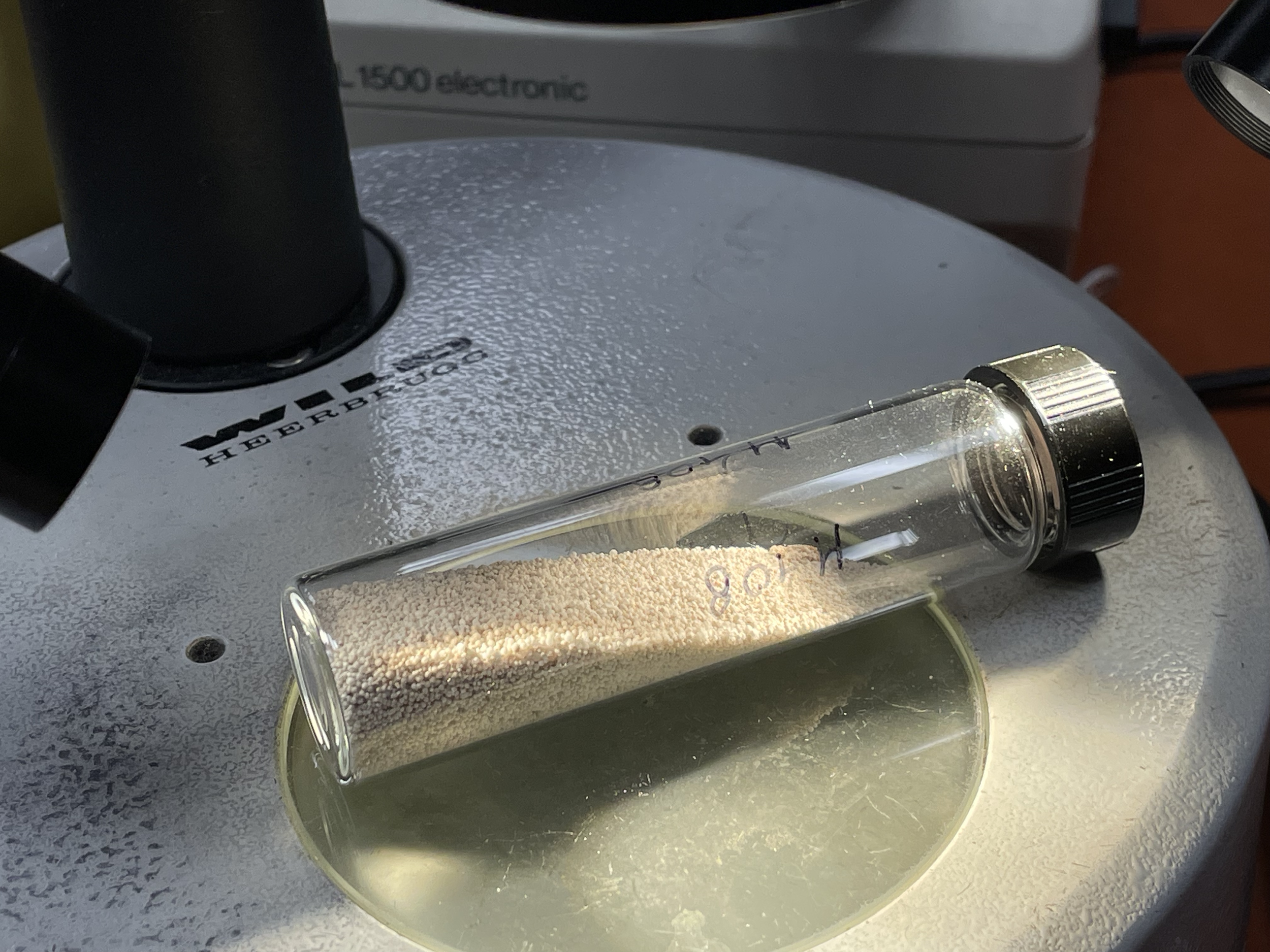
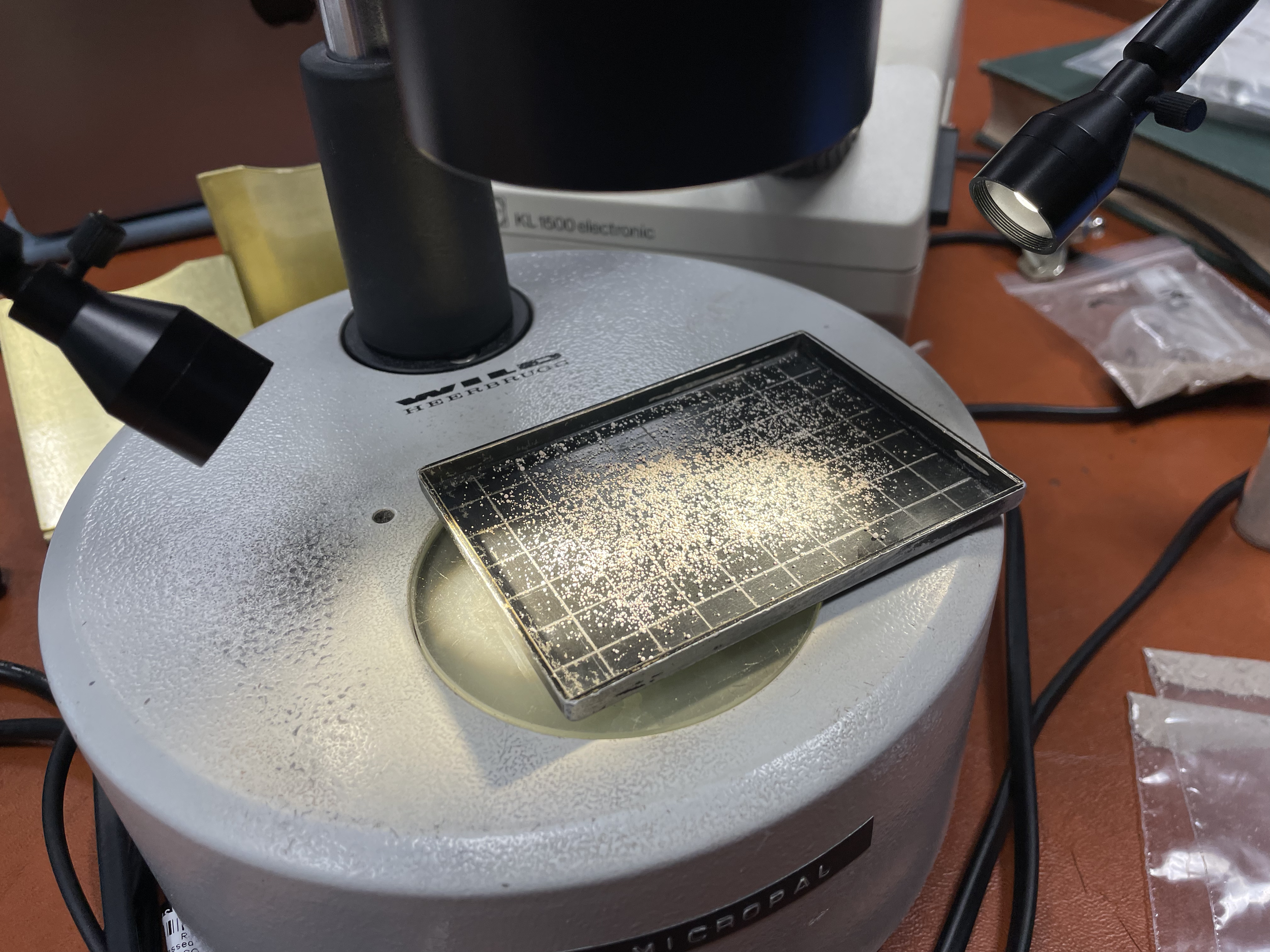
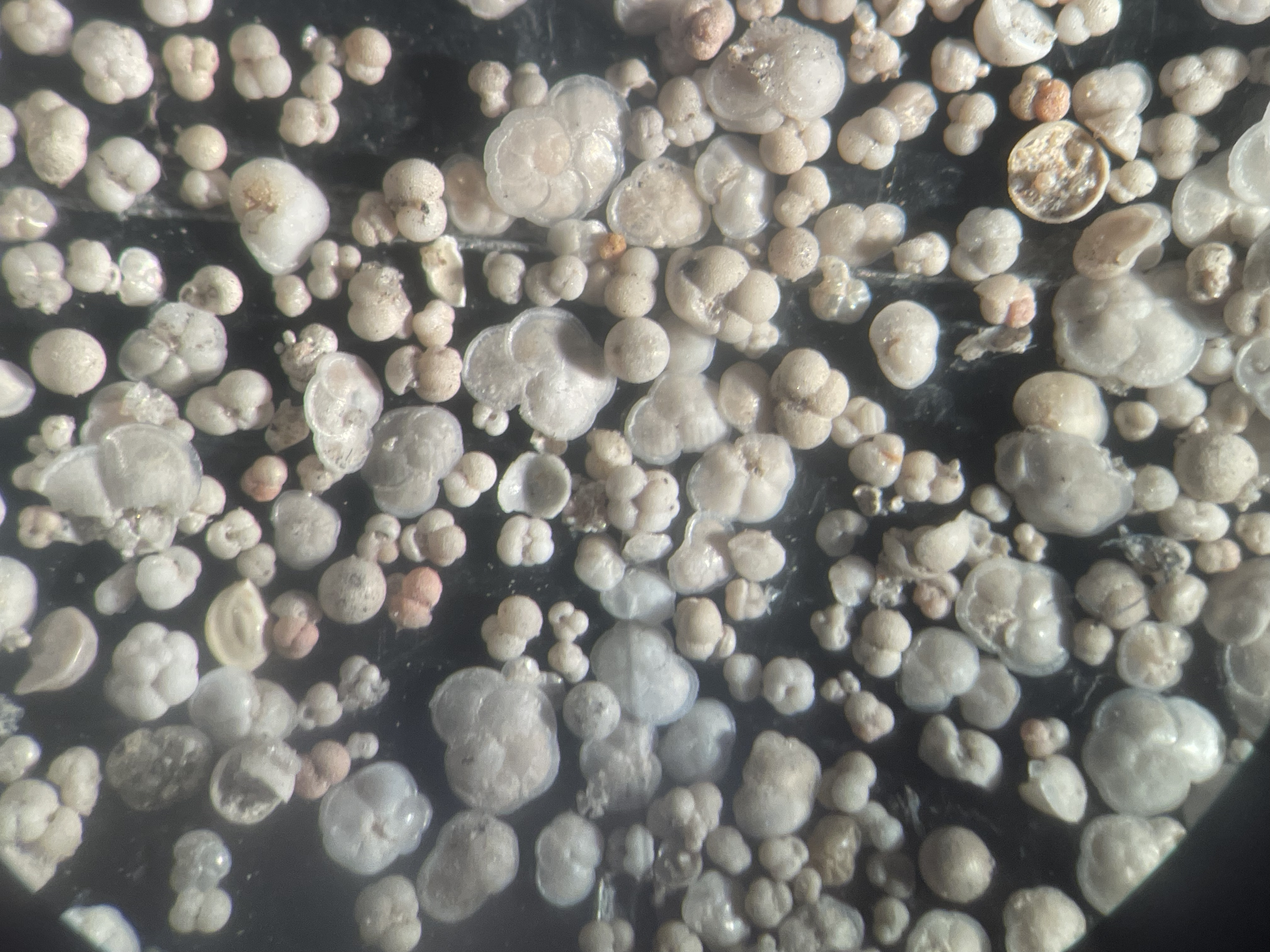
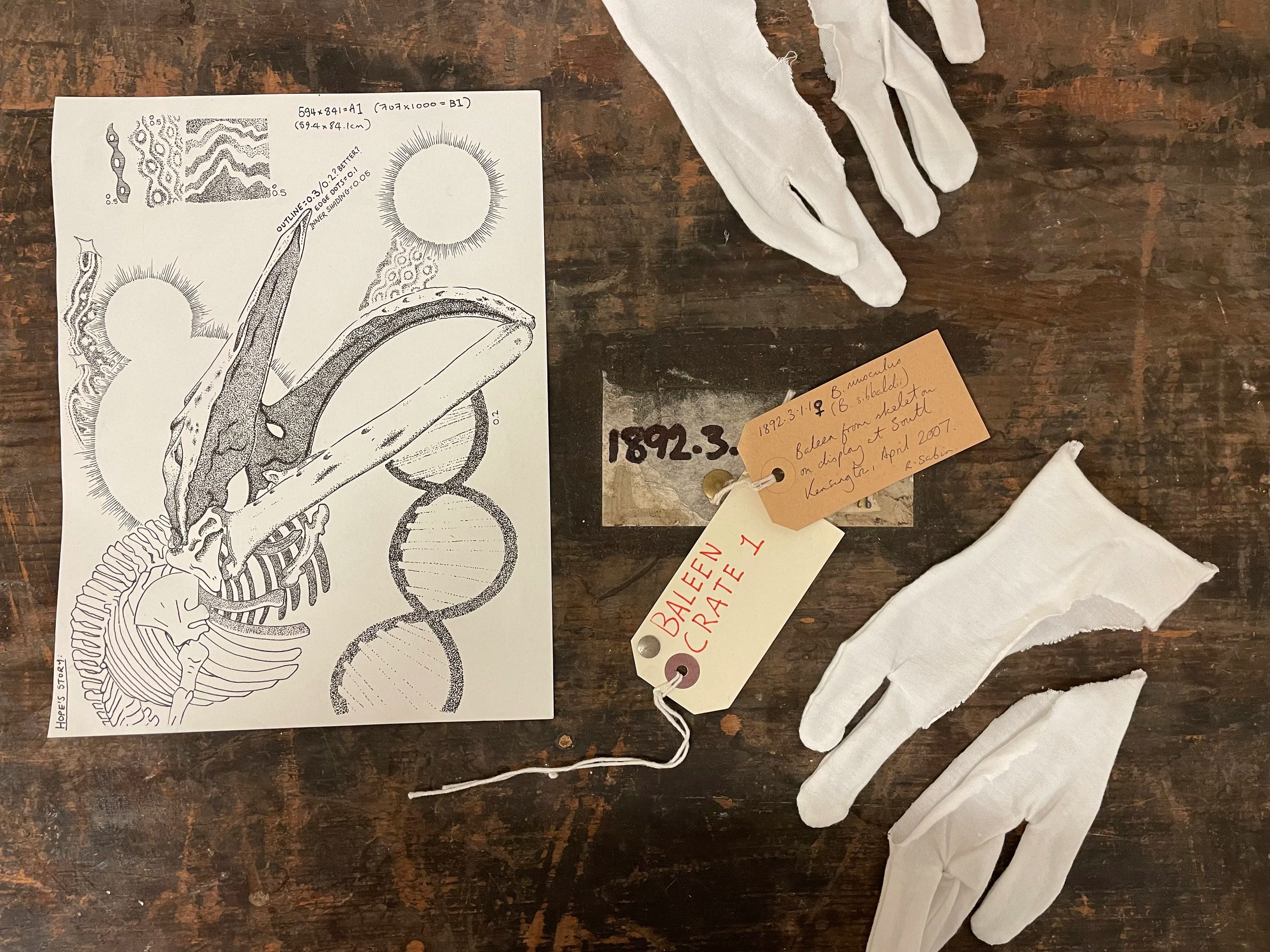
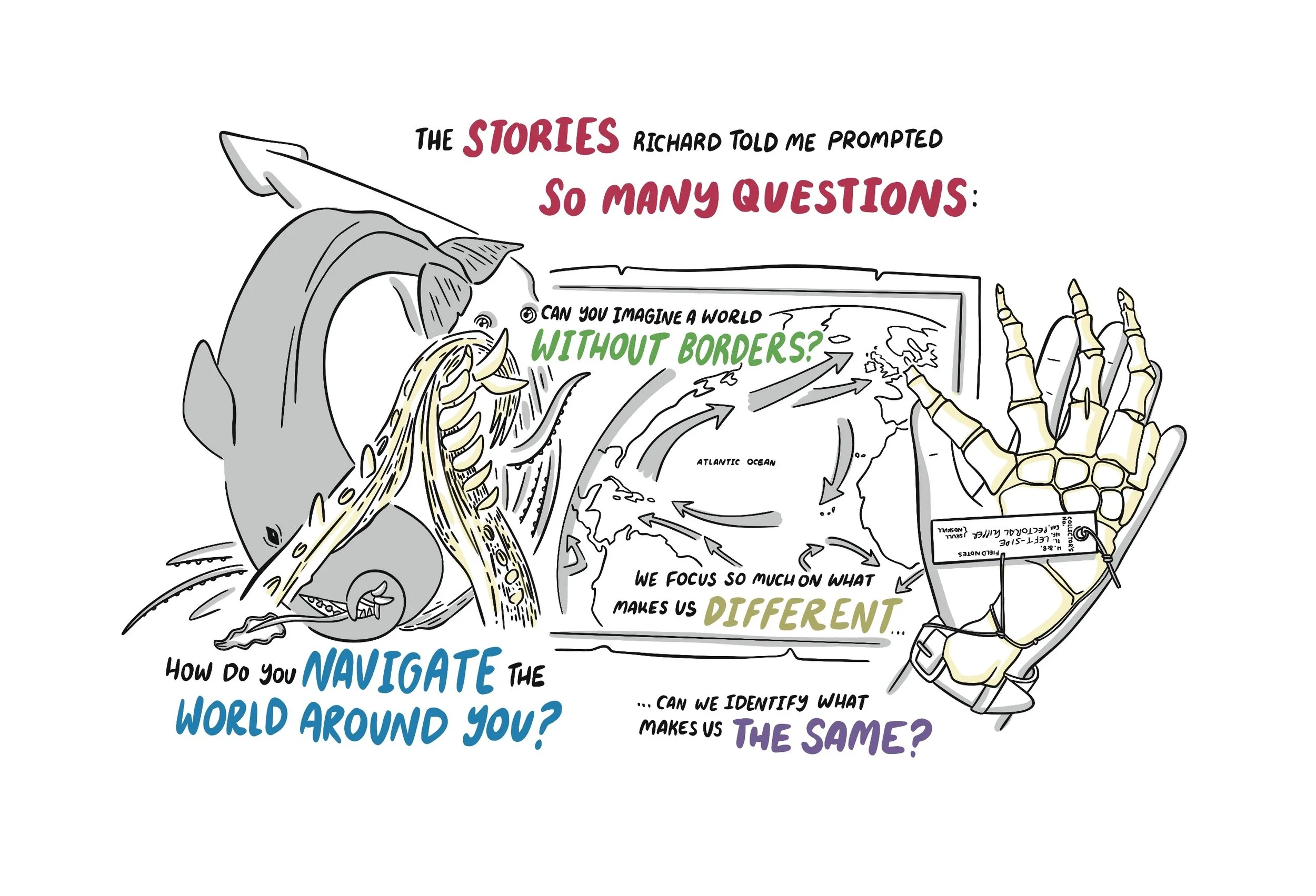
Chemical analysis of Hope's baleen plates revealed her migration patterns across the North Atlantic over the last seven years of her life.